AC/DC Module

Simulare l'elettromagnetismo a bassa frequenza e i componenti elettromeccanici

L'analisi di sistemi e processi elettromagnetici che comprendono il range statico e a bassa frequenza richiede uno strumento di simulazione potente e flessibile. L'AC/DC Module è un prodotto aggiuntivo della piattaforma COMSOL Multiphysics® e offre una vasta gamma di funzioni di modellazione e metodi numerici per lo studio dei campi elettromagnetici e per l'analisi EMI/EMC attraverso la soluzione delle equazioni di Maxwell.

Le funzionalità multifisiche del software COMSOL® consentono di studiare l'impatto di altri effetti fisici su un modello elettromagnetico: per esempio, il trasferimento di calore, la meccanica strutturale e l'acustica.

Contatta COMSOL
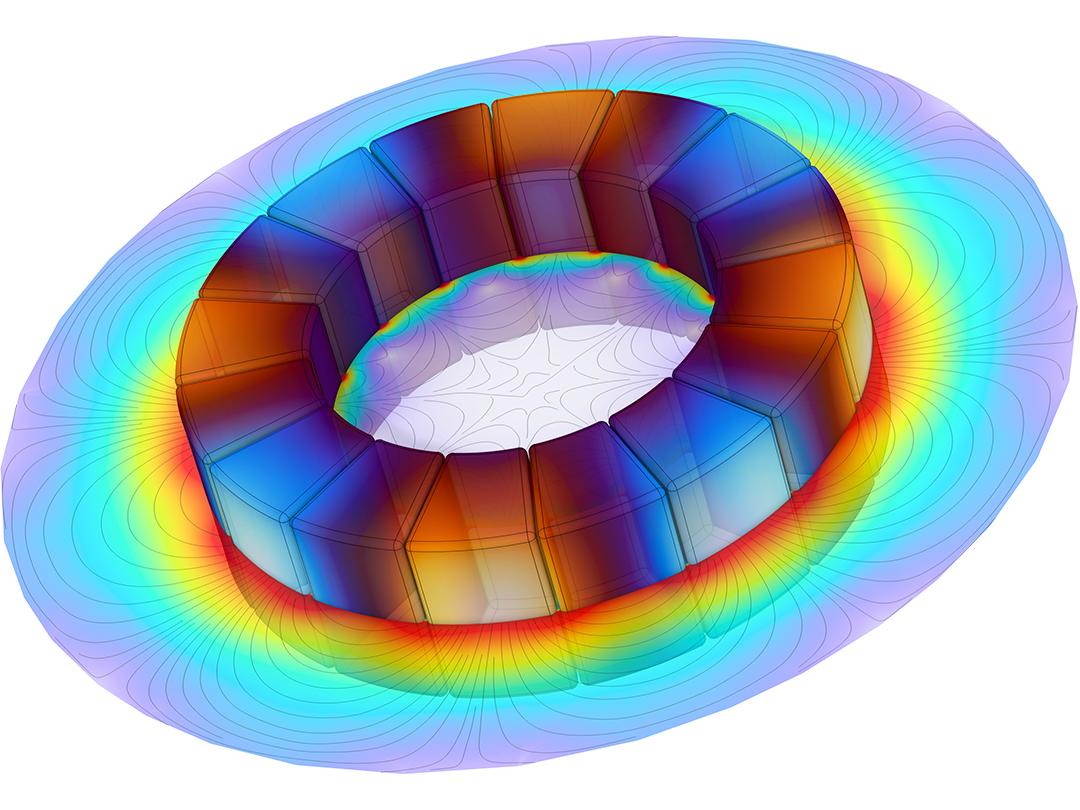
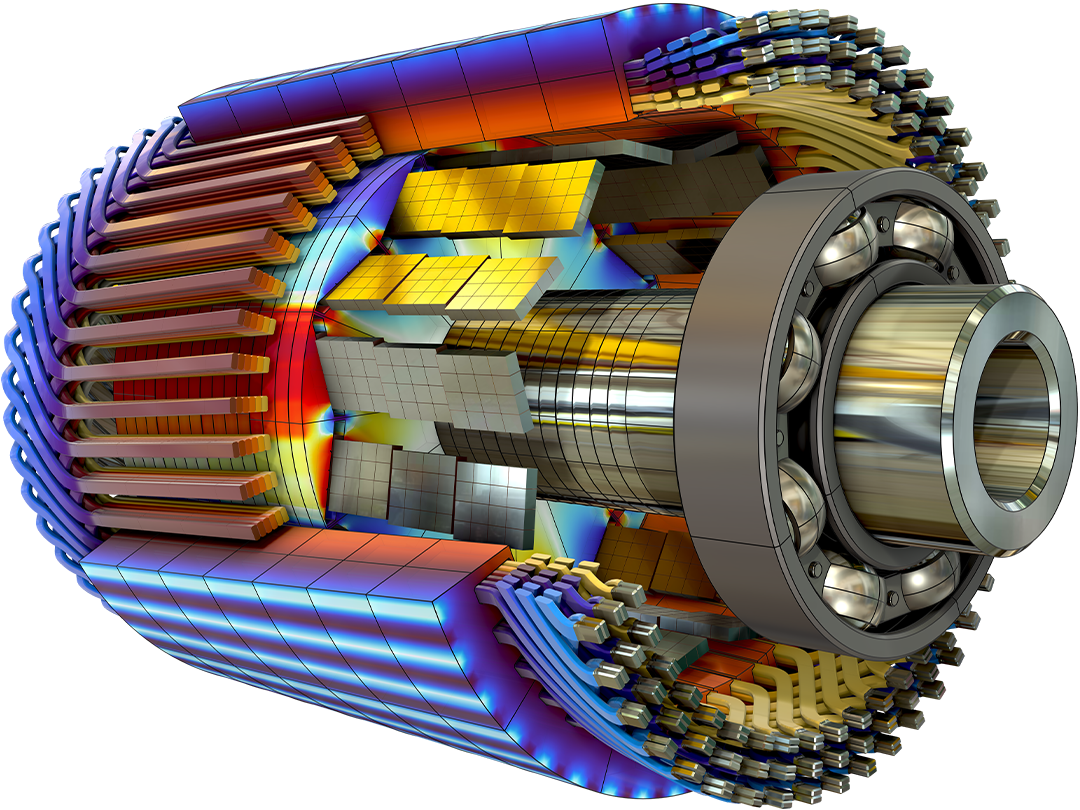
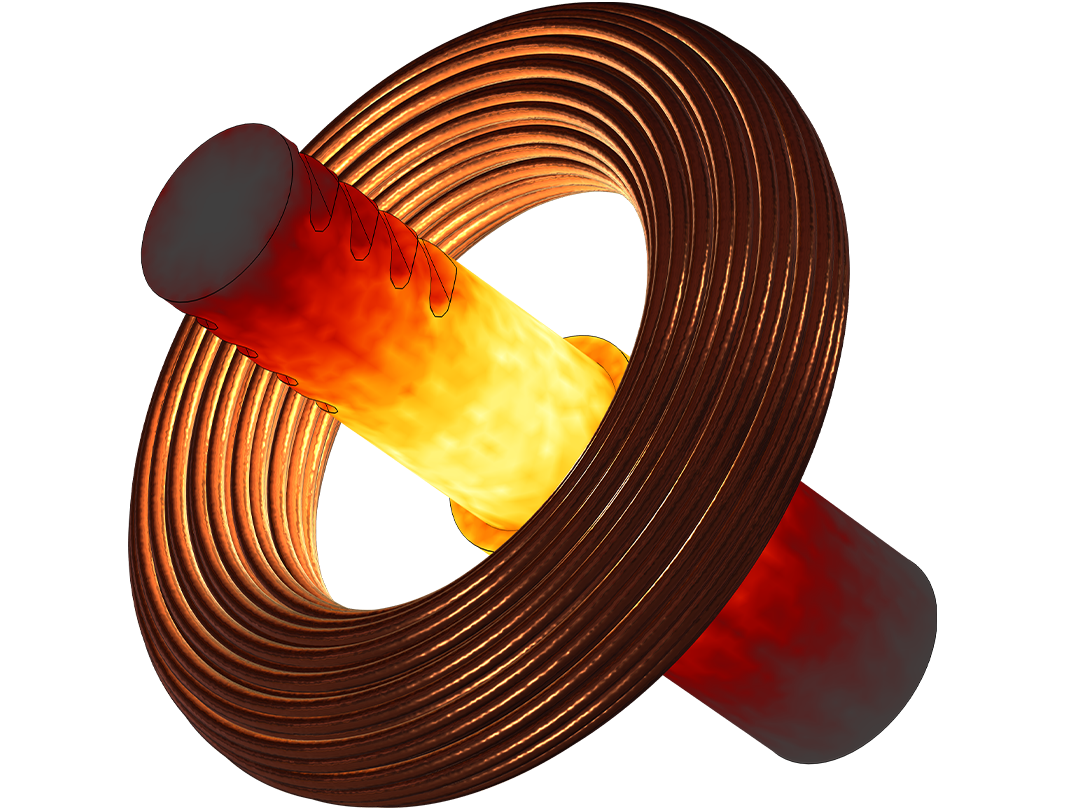
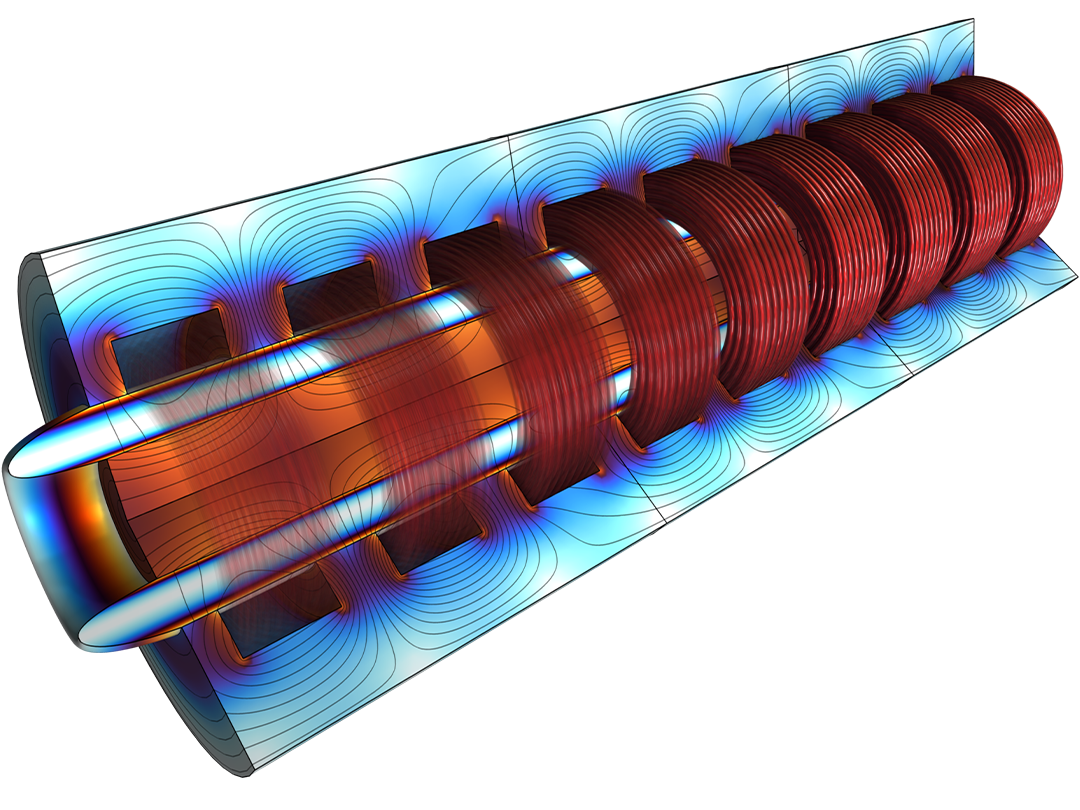
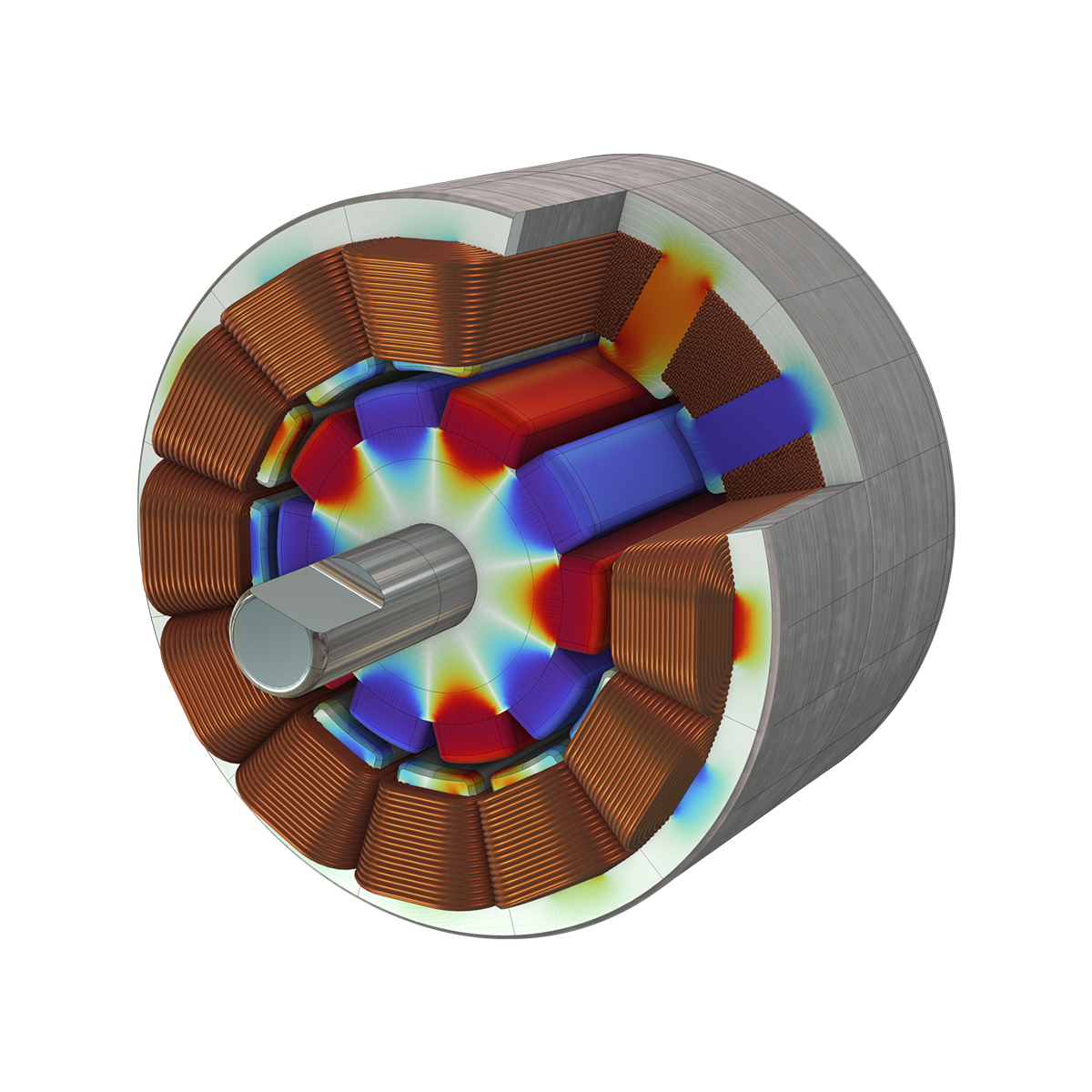
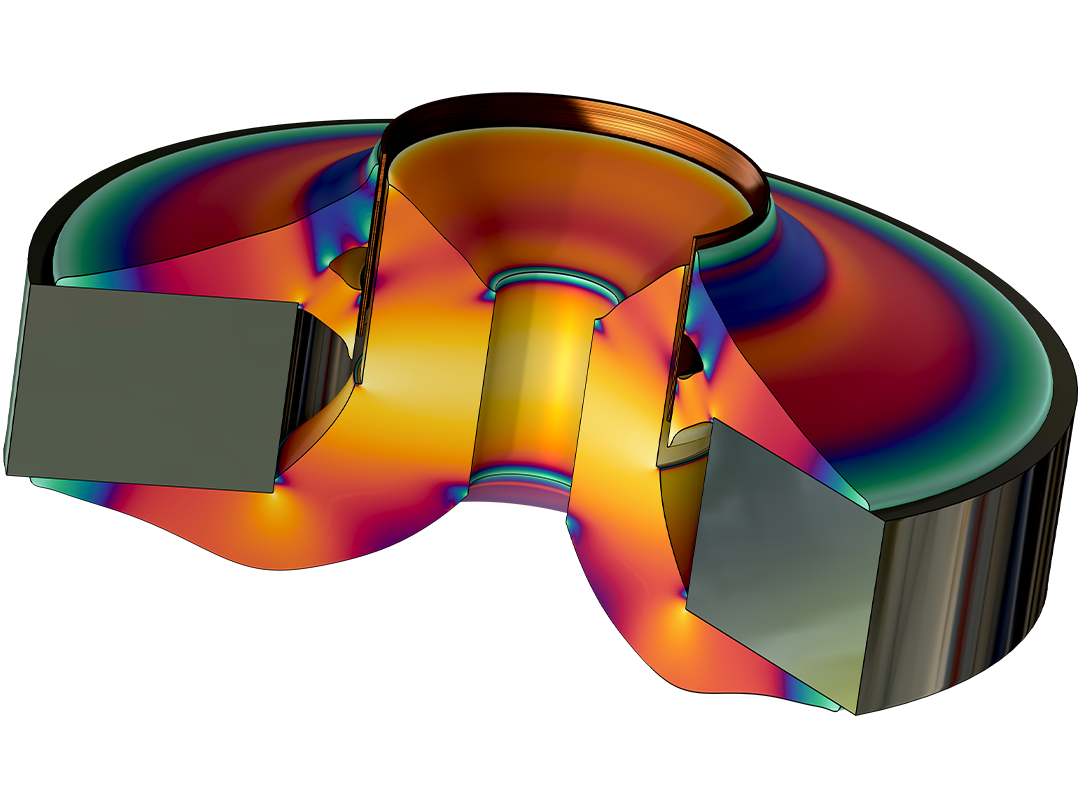
Modello di motore a magneti permanenti 3D visualizzato con bobine di rame e un nucleo in gradazione arcobaleno.

Elettrostatica

È possibile analizzare dispositivi capacitivi e isolanti elettrici tramite calcoli elettrostatici. Questo approccio è applicabile per strutture dielettriche dove non scorrono correnti e i campi sono determinati dal potenziale elettrico e dalla distribuzione della carica. Sia il metodo degli elementi finiti (FEM) che il metodo degli elementi al contorno (BEM) sono disponibili per risolvere il potenziale elettrico, e possono essere combinati in un metodo ibrido degli elementi finiti e degli elementi al contorno. Sulla base del campo potenziale ottenuto, possono essere calcolate diverse quantità: matrici di capacità, campo elettrico, densità di carica ed energia elettrostatica.

Correnti elettriche

È possibile analizzare in modo efficiente i dispositivi resistivi e conduttivi modellando le correnti DC, transitorie o AC. In condizioni statiche e a bassa frequenza e quando i campi magnetici sono trascurabili, la modellazione delle correnti elettriche è sufficiente per ottenere risultati accurati. I calcoli, basati sulla legge di Ohm, diventano molto efficienti risolvendo il potenziale elettrico. Sulla base del campo potenziale risultante, si può calcolare un certo numero di quantità: resistenza, conduttanza, campo elettrico, densità di corrente e dissipazione di potenza.

Con l'AC/DC Module è possibile eseguire analisi stazionarie, nel dominio della frequenza e nel dominio del tempo, così come l'analisi dei piccoli segnali. Nel dominio del tempo e della frequenza, è possibile anche tenere conto degli effetti capacitivi.
Magnetostatica

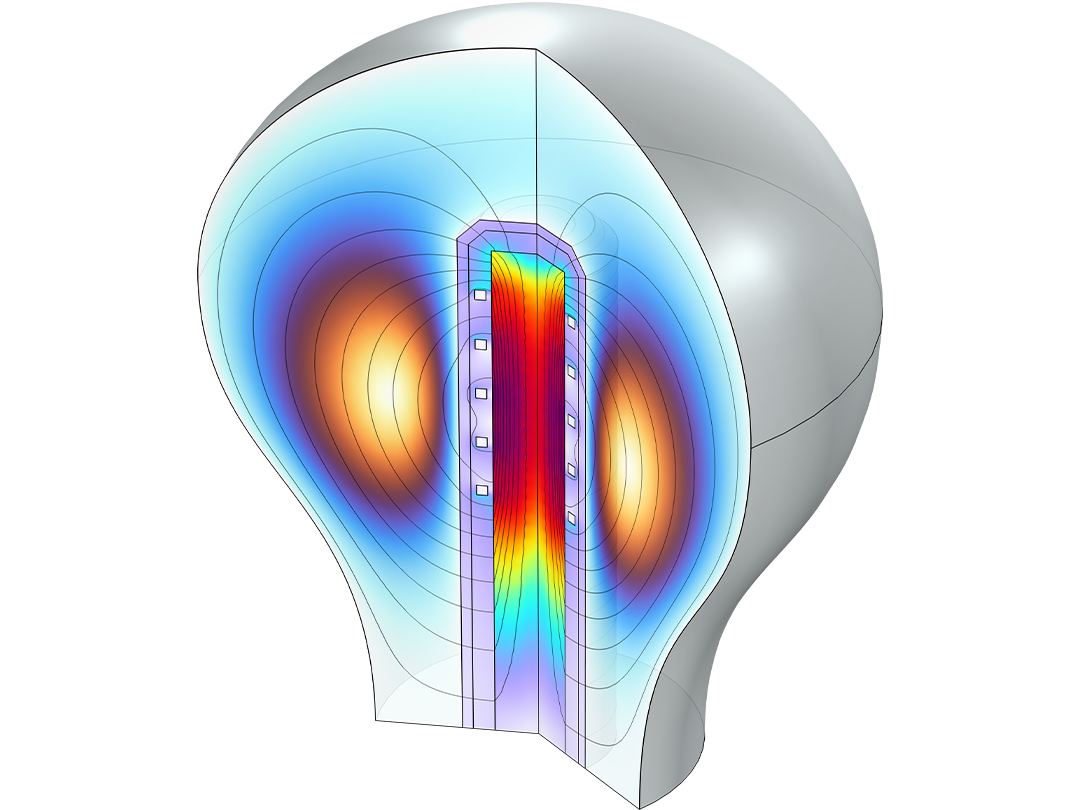
È possibile calcolare campi magnetostatici, induttanze parassite e forze su bobine, conduttori e magneti. Si può scegliere da un ampio database di materiali che include una vasta gamma di materiali magnetici non lineari, o definire i propri materiali non lineari. È disponibile una varietà di formulazioni a seconda che siano presenti correnti, materiali magnetici o entrambi.

Sia il metodo FEM che il BEM sono disponibili per la magnetostatica in assenza di correnti, e possono essere combinati per ottenere un metodo ibrido a elementi finiti ed elementi al contorno.

Per il caso più generale, in cui sono presenti sia il flusso di corrente che i materiali magnetici, una formulazione di campo vettoriale permette di definire il potenziale elettrico e le correnti in ingresso e calcola la distribuzione della densità di corrente, i campi magnetici, le forze magnetiche, la dissipazione di potenza e le induttanze reciproche.

Le bobine possono essere modellate sia esplicitamente, calcolando l'esatta distribuzione di corrente all'interno di ogni filo, o in modo omogeneizzato, che è molto efficiente per bobine con numerose spire. Le forme complesse delle bobine sono gestite automaticamente calcolando le distribuzioni di corrente della bobina.

Electromagnetics

Full electromagnetics modeling is used to analyze electrical components where electric currents and magnetic fields are coupled. In time-varying problems with significant induction effects, magnetic fields induce currents, and those currents in turn generate magnetic fields.

Electrodynamic effects can be investigated, including skin and proximity effects, Lorentz forces (induction through motion), resonance, and crosstalk. Both frequency-domain and time-domain modeling are supported in 2D and 3D. Specialized formulations are also available for transient magnetic modeling of superconductors.

Typical applications include coils, induction chargers and heaters, switches, busbars, transformers, PCB transient effects, shielding, crosstalk, superconducting devices, magnetohydrodynamics, and nondestructive testing (NDT).

Electromagnetics simulations can be coupled to any other add-on product, such as the Heat Transfer Module, the Structural Mechanics Module, or the CFD Module.

Electric Machinery

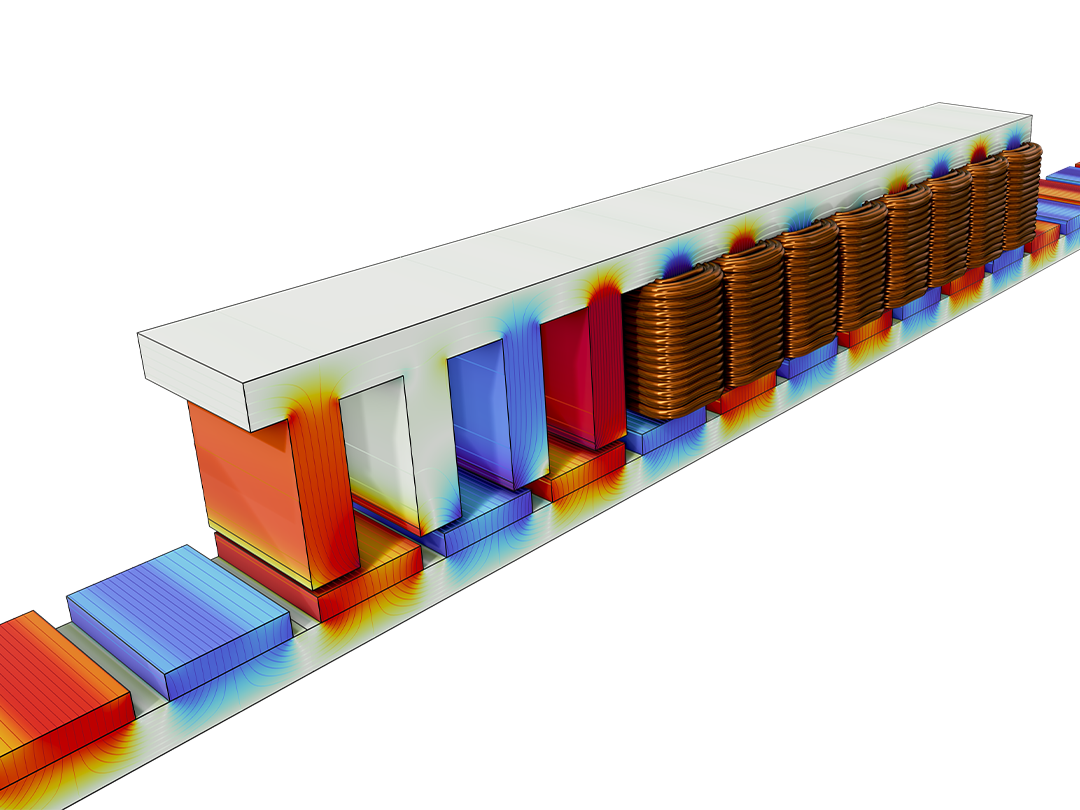
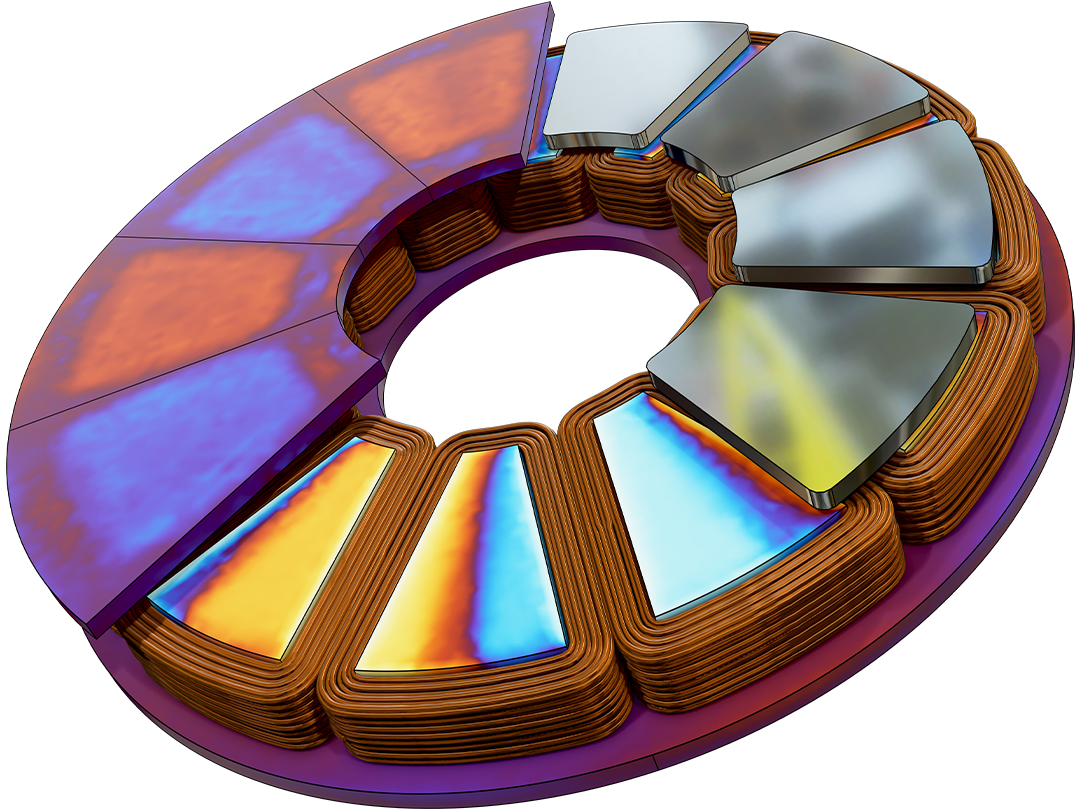
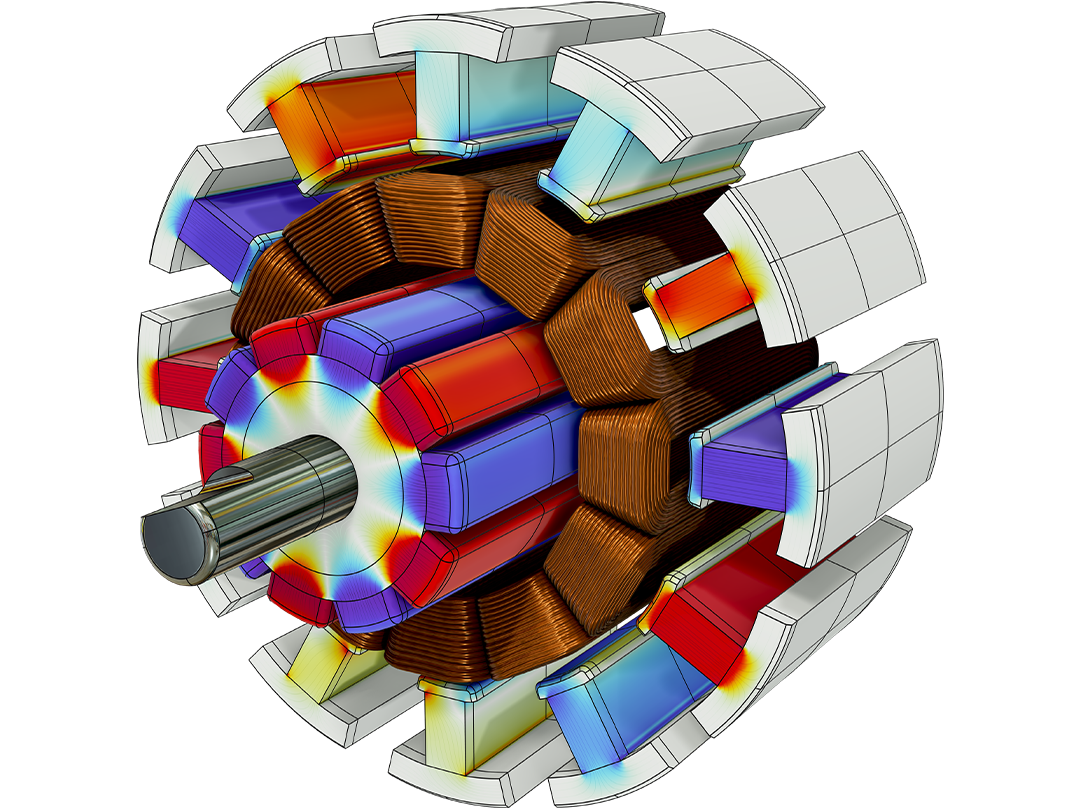
Modeling of electric machinery enables optimization of motors, generators, and actuators. Built-in functionality makes it possible to investigate induction and permanent magnet motors, including the evaluation of torque, eddy current losses in magnets, forces, induced currents, and the impact of mechanical loads. Both rigid and flexible body dynamics can be studied under the influence of electromagnetic forces and torques.

Specialized features support the design of various machine types, from radial flux motors to hybrid axial–radial flux rotors, claw-pole rotors, and tubular linear machines. Linear motion can also be modeled using moving mesh functionality, which is important for devices such as plungers, solenoids, switches, and actuators.

By combining the AC/DC Module with other physics modules, multiphysics analyses — including structural mechanics for deformation, rotordynamics, heat transfer for thermal management, acoustics for noise and vibration, and CFD for cooling channel optimization — can be performed.

Electrical Circuits

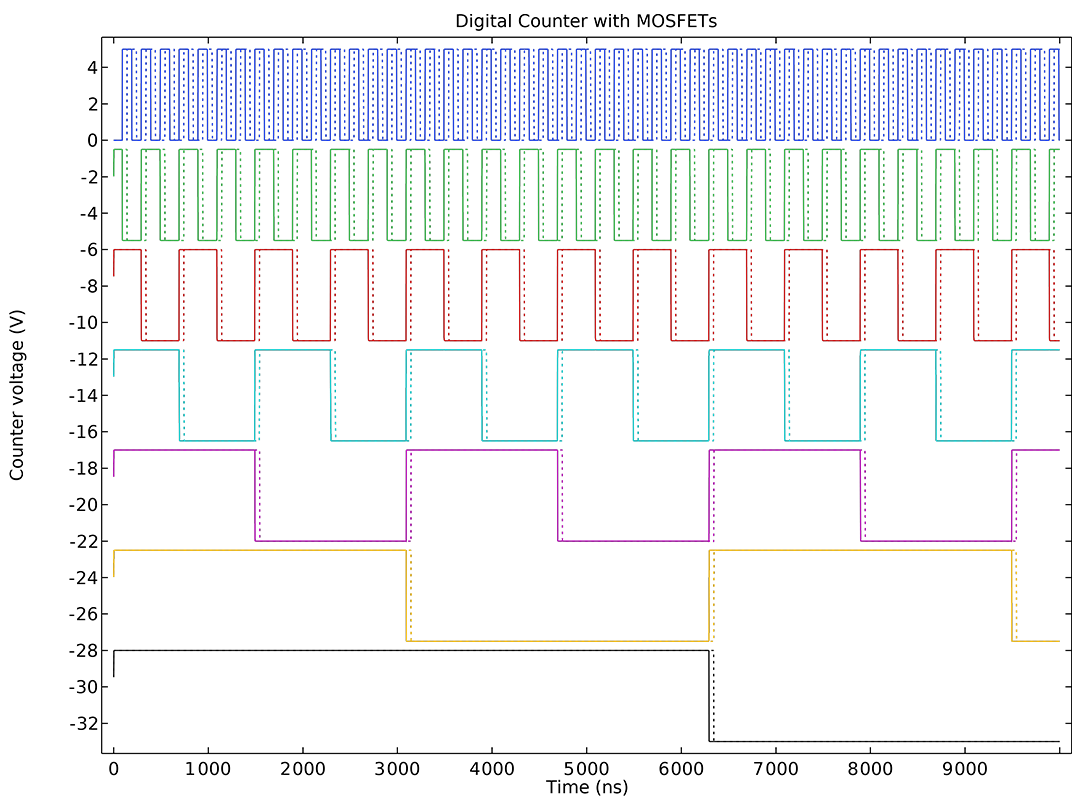
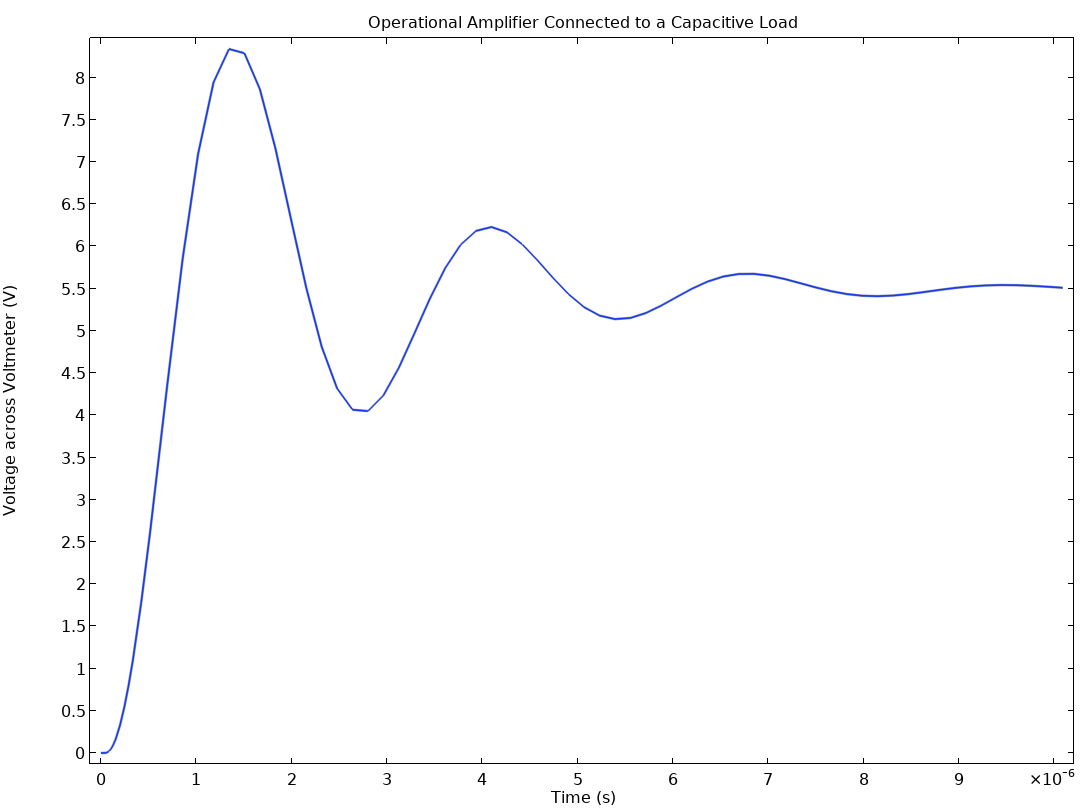
The AC/DC Module provides a dedicated physics interface for analyzing lumped systems and circuits. Using this interface, common components such as voltage and current sources, resistors, capacitors, inductors, transformers, diodes, and transistors can be modeled. More complex elements can be added using subcircuits. Circuits can also be imported and exported in the SPICE netlist format.

Circuit models can be combined with 2D or 3D finite element models. Resistance, capacitance, and inductance matrices can be extracted from finite element models, which can then be used to create efficient lumped circuit representations. The direct coupling between circuits and finite element models enable simulation of, for example, motor control circuits or oscillator circuits in induction chargers. Hybrid submodeling is possible as well, where detailed finite element regions are reduced to circuit representations for efficient simulation.

Caratteristiche e funzionalità nell'AC/DC Module

L'AC/DC Module contiene caratteristiche e funzionalità specializzate per le varie capacità presentate in questa pagina.

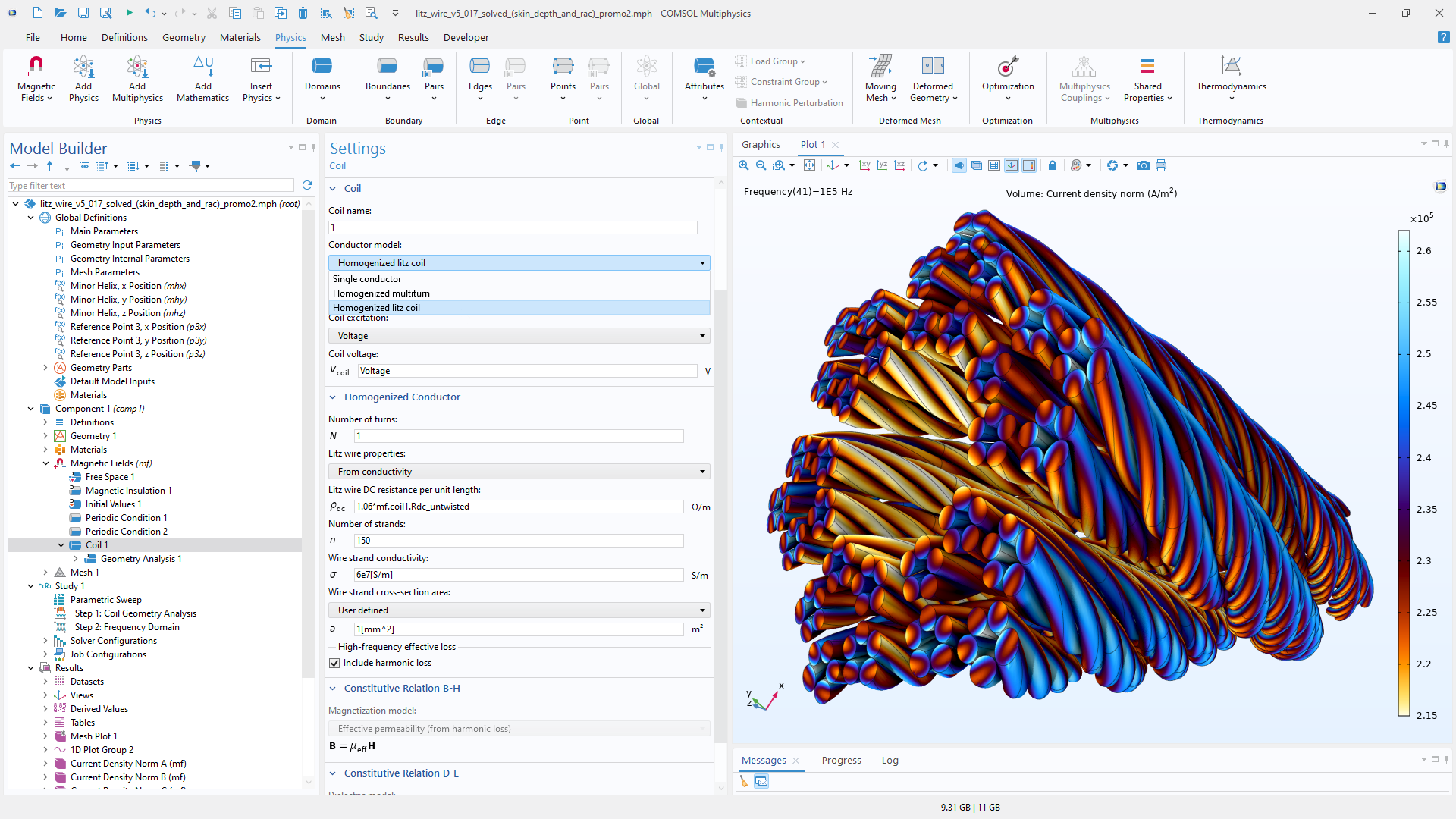
A close-up view of the Model Builder with the Coil node highlighted and a litz wire model in the Graphics window.

Interfacce utente integrate

L'AC/DC Module fornisce interfacce utente integrate per ciascuna delle aree elettromagnetiche elencate sopra, così come varianti destinate a scopi specifici di modellazione. Ciascuna di queste interfacce definisce diverse serie di equazioni di dominio, condizioni al contorno, condizioni iniziali, mesh predefinite, studi predefiniti con impostazioni del solutore per analisi stazionarie e transitorie, nonché grafici predefiniti e valori derivati.

Sono disponibili anche funzionalità che collegano le diverse interfacce, per modellarle facilmente insieme, il che può essere utile nel caso di induttori, bobine e motori.

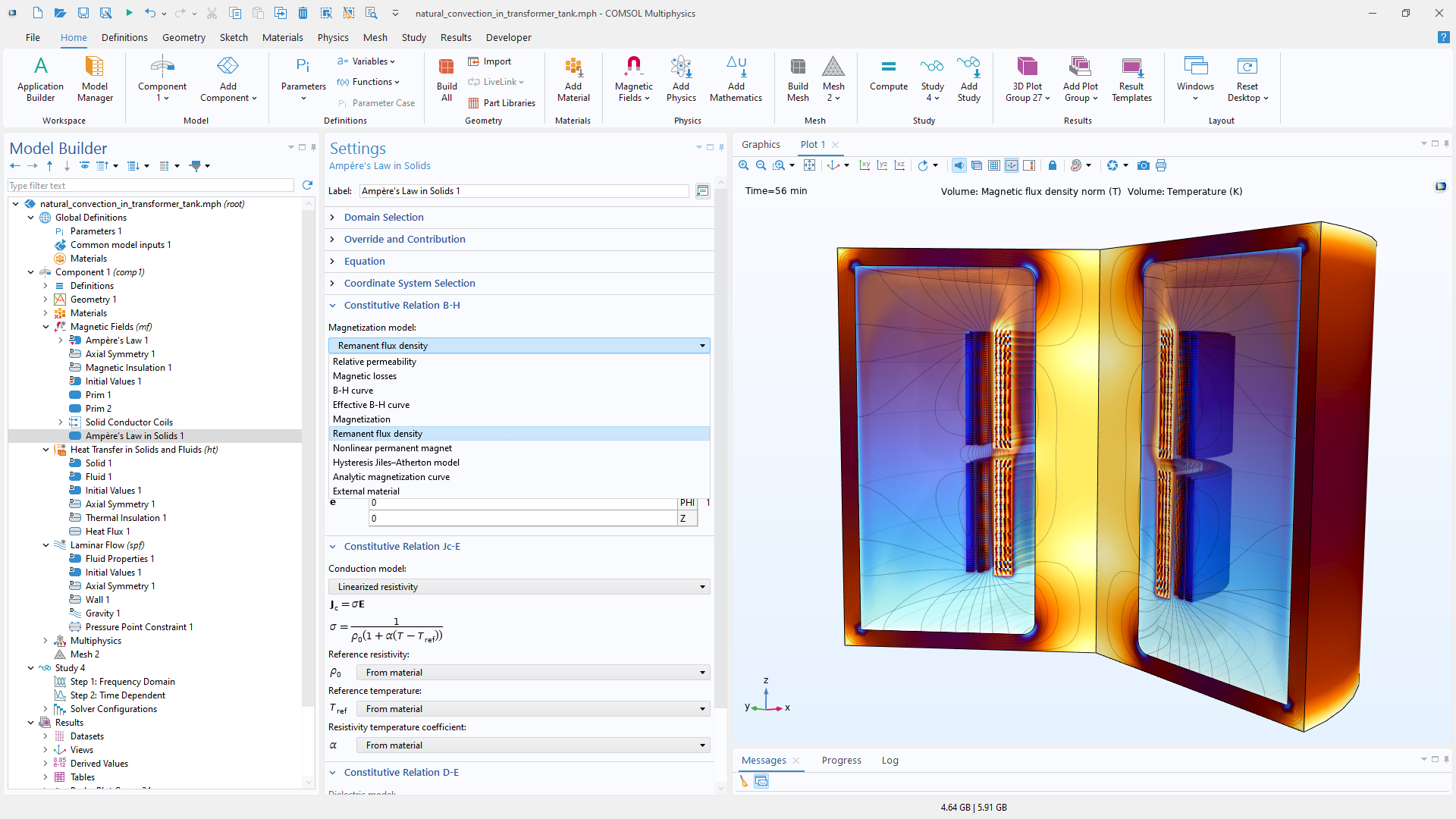
A close-up view of the Ampère's Law in Solids settings and a transformer tank model in the Graphics window.

Magnetic Materials

A comprehensive database of magnetic materials is included in the AC/DC Module, covering ferromagnetic, ferrimagnetic, soft magnetic (B–H curves), and hard magnetic materials (permanent magnets). Support is provided for nonlinear material models, magnetic loss modeling in the frequency domain using effective B–H curves and complex permeability, as well as anisotropic hysteresis based on the Jiles–Atherton model.

Specialized capabilities for modeling laminated electrical steel include laminated core modeling features and empirical loss models such as Steinmetz and Bertotti, which enable realistic loss estimation without resolving individual lamina.

Materials can be defined as spatially varying, anisotropic, time varying, or field dependent. Full support is provided for user-defined properties and modeling of custom behaviors, including anisotropic nonlinearity, permanent demagnetization, and Curie effects.

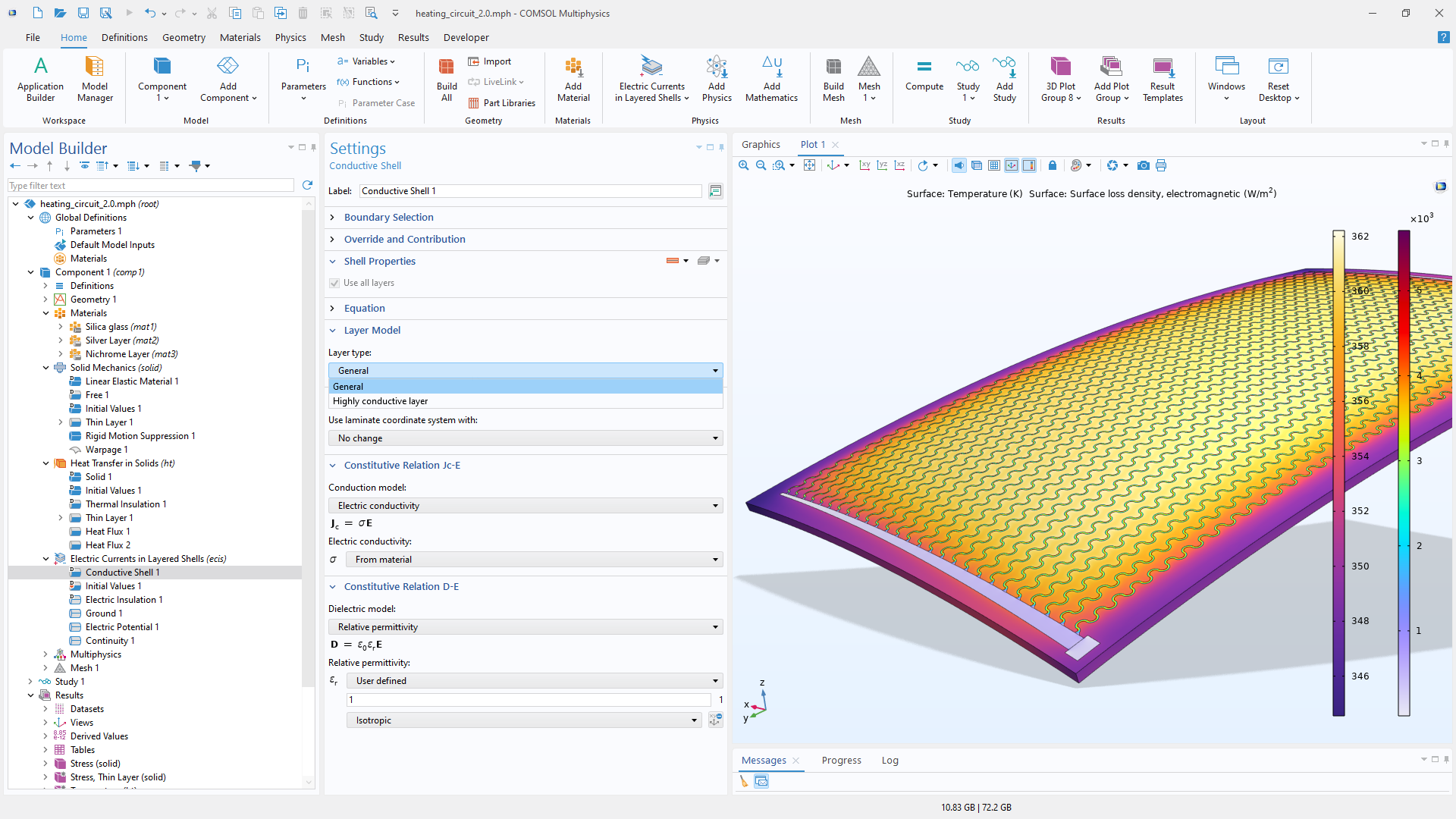
A close-up view of the Conductive Shell settings and a heating circuit model in the Graphics window.

Thin Structures and Layered Materials

Very thin structures can be efficiently modeled using shell formulations for direct current, electrostatic, magnetostatic, and induction analyses. In addition, specialized functionality supports the modeling of direct currents in multilayer shell structures. The electromagnetic shell modeling capabilities allow thin volumetric domains to be replaced by zero-thickness boundary conditions with equivalent physical behavior, significantly simplifying geometry preparation, meshing, and solution procedures.

At higher frequencies, where the skin depth becomes small and currents are confined to the conductor surface, specialized boundary features provide a more efficient conductor representation.

For dielectric and weakly conducting materials, the framework supports:

  • Polarization effects and remanent electric displacement
  • A wide range of complex loss models, including ferroelectric behavior
  • Dispersion models in both the frequency and time domains

Built-in dispersion formulations include multipole Debye, Cole–Cole, and Havriliak–Negami models. These capabilities are especially important for tissue modeling and bioengineering applications.

The same level of flexibility available for magnetic materials also applies to conductors and dielectrics. Through user-defined formulations, the material library can be easily extended to incorporate custom material models.

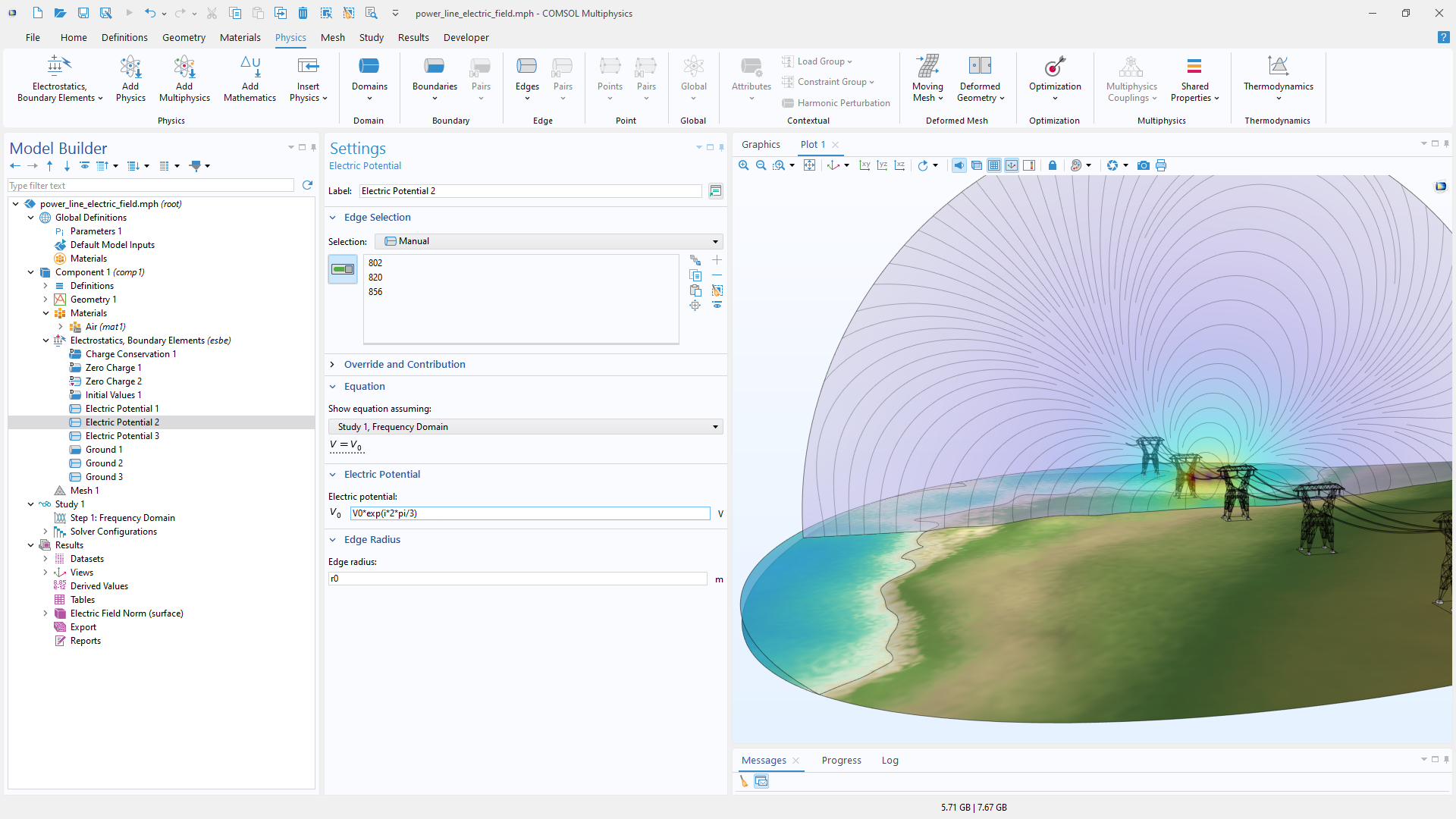
A close-up view of the Model Builder with the Electric Potential node highlighted and a power line model in the Graphics window.

Unbounded or Large Domains

To accurately model unbounded or large domains, infinite elements are available for both electric and magnetic field formulations. For electrostatic and magnetostatic analyses, the boundary element method (BEM) provides an alternative approach for representing large or infinite regions. In addition, the BEM can be coupled with finite element–based physics interfaces to enable hybrid BEM–FEM simulation.

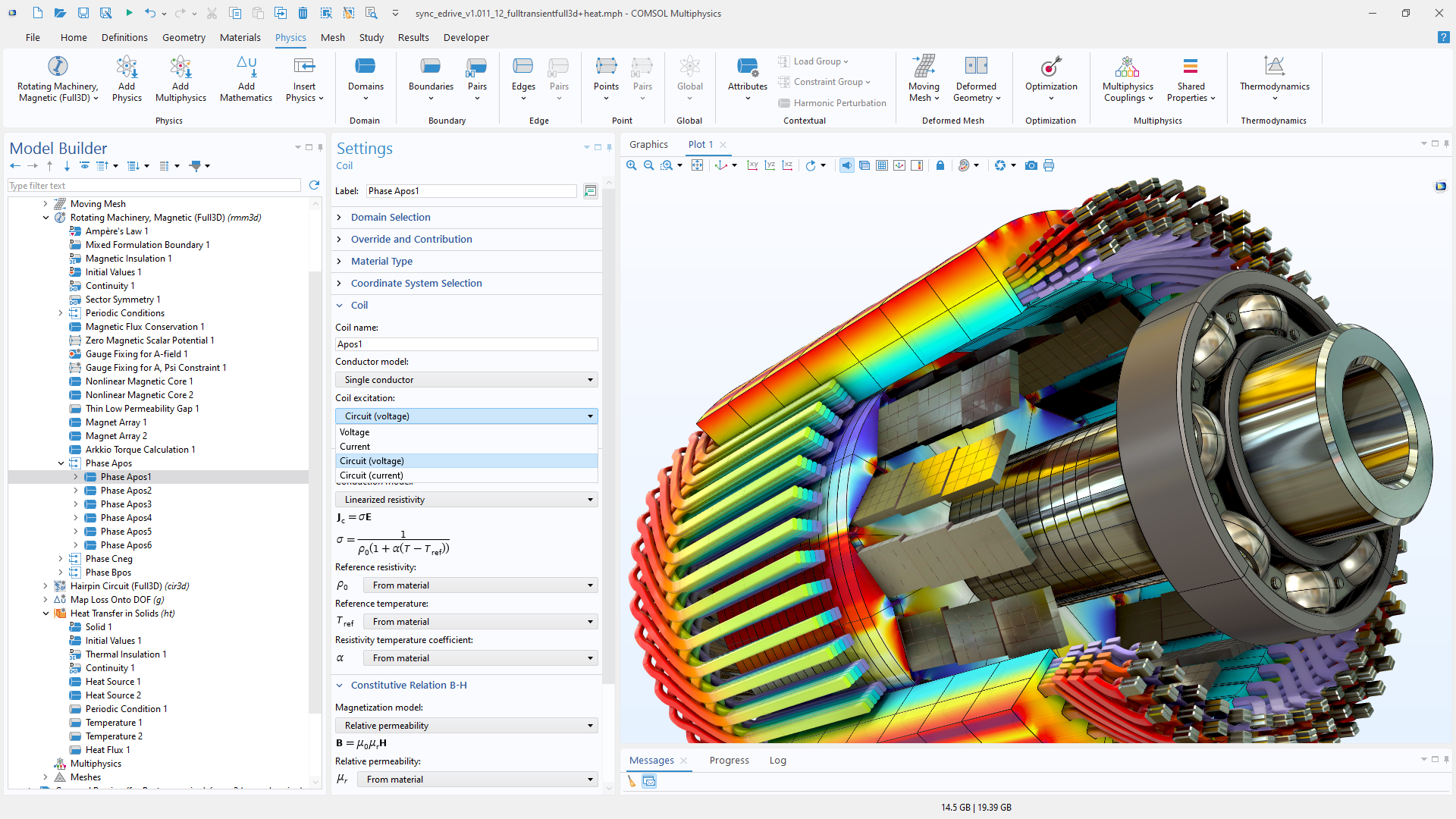
A close-up view of the Coil settings and a motor model in the Graphics window.

Coils, Terminals, and Device Excitations

The AC/DC Module's electromagnetics modeling capabilities include specialized functionality for accurate simulation of electromagnetic excitations, loads, and device behaviors.

The coil modeling tools handle everything from solid conductors with skin and proximity effects to stranded wire bundles designed to minimize AC losses. They also support designs such as litz wires, tightly wound coils, and segmented high-voltage conductors.

Terminal definitions make it easy to specify voltages, currents, or charges while also supporting floating potentials, measurement points, and electrical circuit connections. Options for distributed capacitance and impedance modeling enable accurate representation of electrodes with dielectric or resistive coatings.

A range of general-purpose excitation methods is also available, which includes support for voltage constraints, for example, ground planes, and the ability to define surface currents directly.

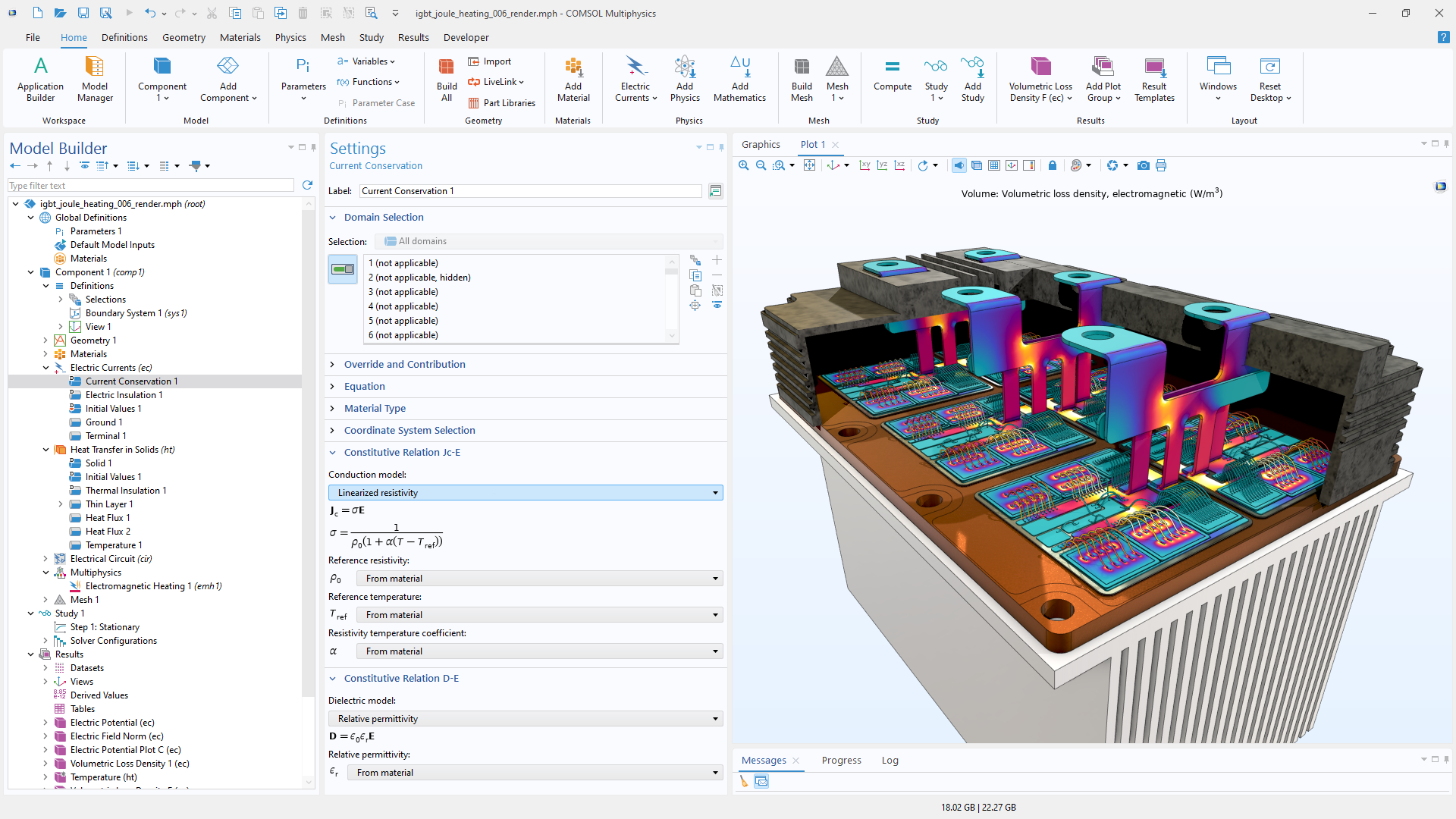
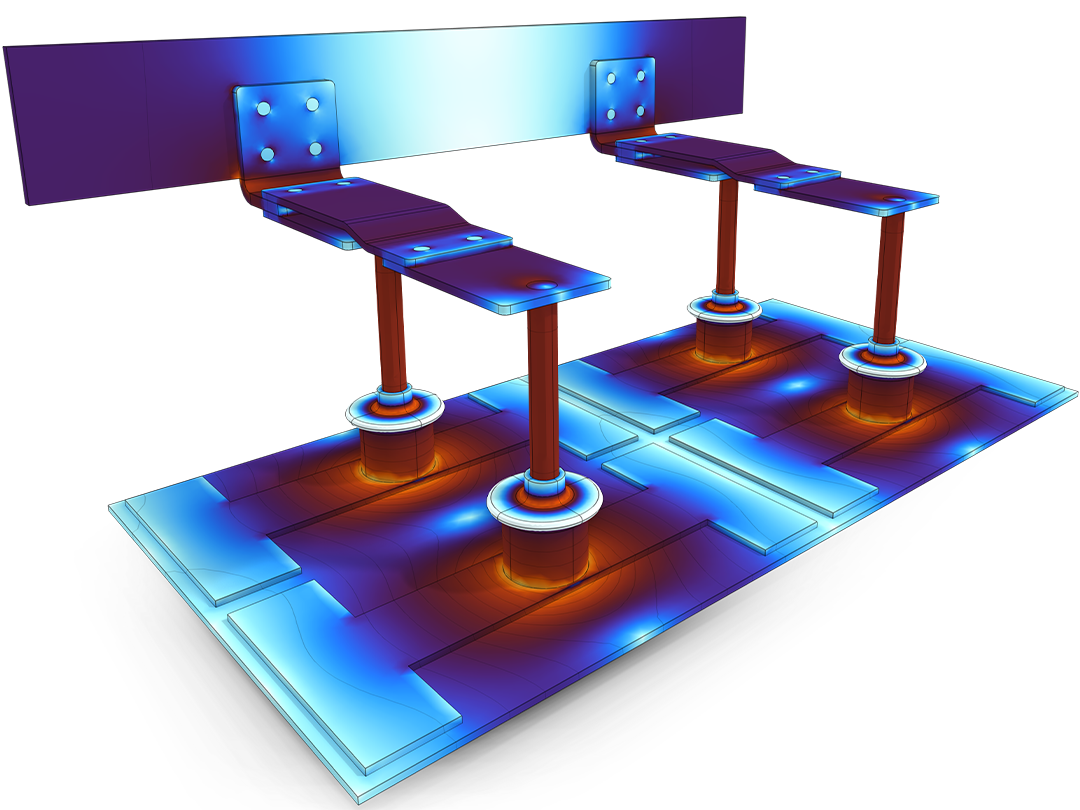
A close-up view of the Model Builder with the Current Conservation node highlighted and an IGBT model in the Graphics window.

Electric and Dielectric Materials

Conducting materials support both temperature- and electromagnetic-field-dependent behavior. Under electrodynamic conditions, skin and proximity effects can be included or selectively suppressed, enabling efficient modeling of laminated steel, wound coils, and twisted wire bundles. In particular, litz cables can be modeled at or above their design frequency without resolving individual strands.

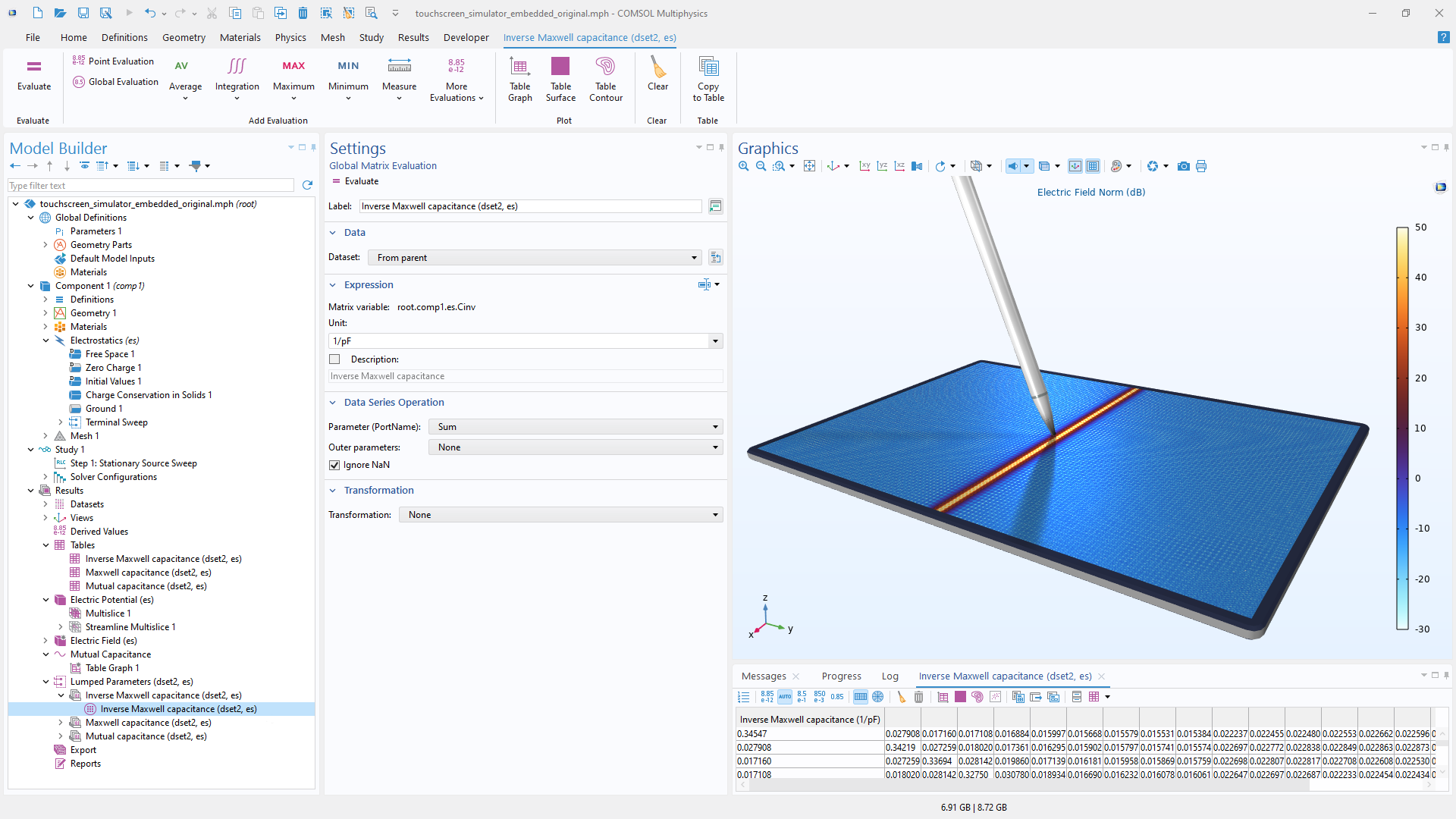
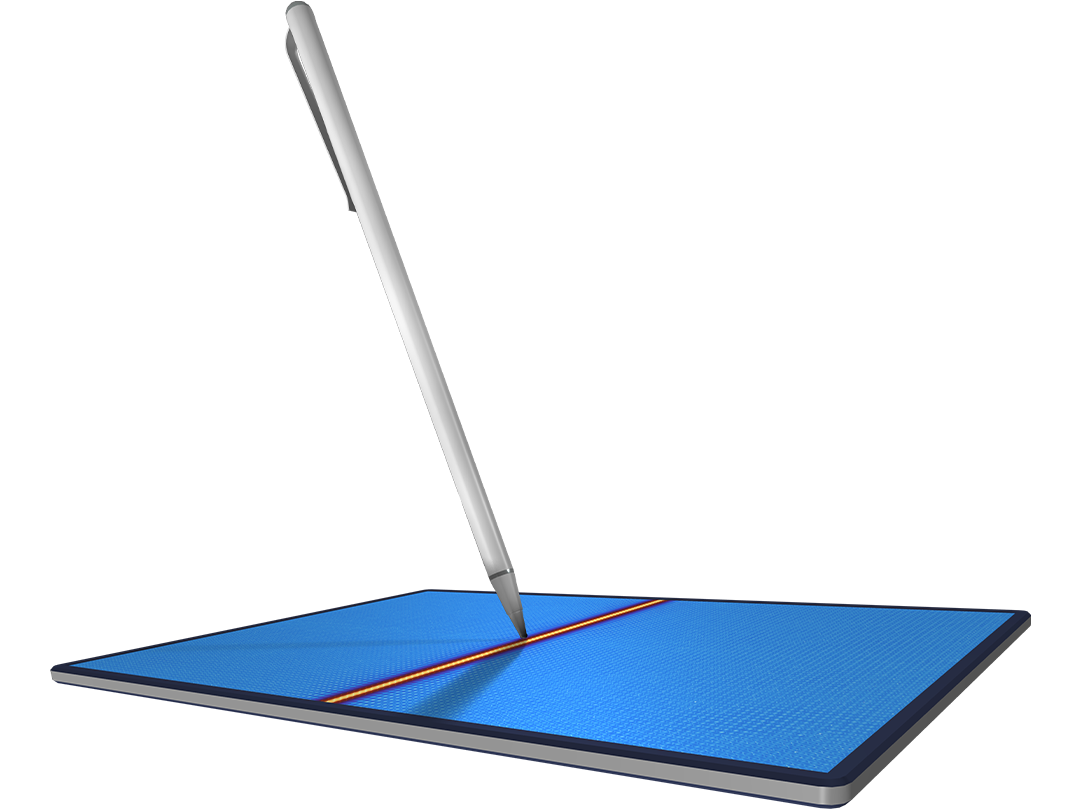
A close-up view of the Global Matrix Evaluation node highlighted and a touchscreen model in the Graphics window.

Data Extraction and Results Evaluation

Excitation features, such as Coil, Terminal, and Port, automatically provide output variables for various electrical quantities, including:

  • Voltage, current, and charge
  • Resistance, inductance, and capacitance
  • S-parameters

Dedicated frequency-sweep functionality, together with optimized solver settings, enables efficient extraction of capacitance, resistance, and inductance matrices. This functionality makes it straightforward to convert a detailed finite element model into a simplified lumped electrical circuit representation.

Specialized features are also available for computing specific physical quantities, such as electromagnetic forces and total losses.

Extensive customization options make it possible to evaluate, integrate, or differentiate any quantity derived from the solution. A wide range of results-evaluation tools enables precise extraction of the data required for analysis.

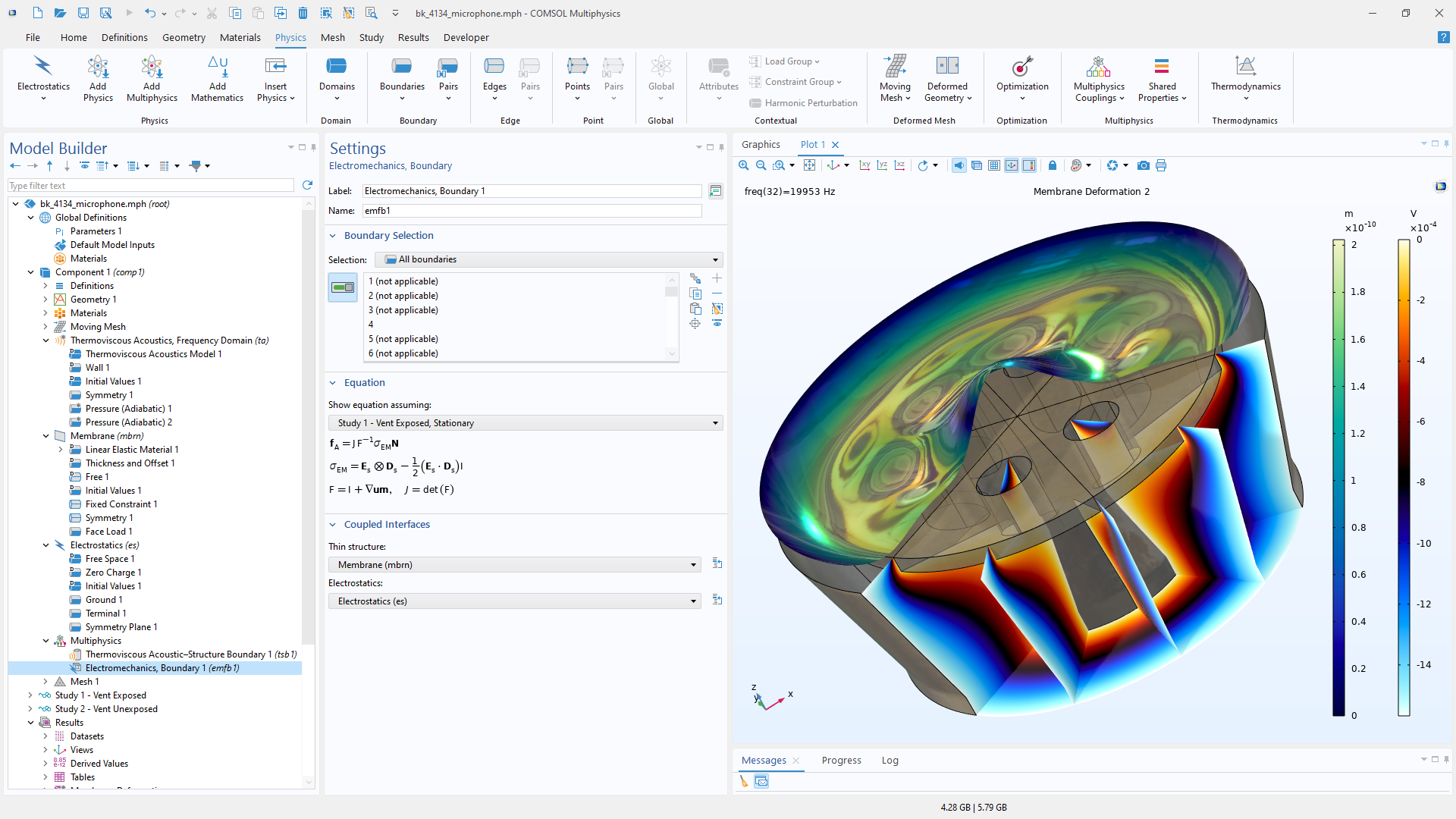
A close-up view of the Electromechanics, Boundary node highlighted and a microphone model in the Graphics window.

Multiphysics

Because electromagnetic phenomena typically occur in a multiphysics context, the AC/DC Module offers extensive options for coupling its physics with those from other add-on products, such as the:

  • Structural Mechanics Module
  • Heat Transfer Module
  • Acoustics Module
  • CFD Module
  • Plasma Module
  • Electric Discharge Module

Built-in multiphysics couplings provide functionality for modeling magnetomechanics, electromechanics, Joule heating and thermal expansion, induction heating, piezomagnetism, piezoelectricity, piezoresistivity, nonlinear magnetostriction, electrostriction, ferroelectroelasticity, the thermoelectric effect, pyroelectricity, and magnetohydrodynamics.

In addition to these predefined couplings, manual multiphysics couplings can be defined and solved using fully coupled or sequential approaches.

Elettromagnetismo a bassa frequenza e multifisica

I componenti elettromagnetici influenzano e sono influenzati da più fenomeni fisici. In COMSOL Multiphysics®, questo scenario si può modellare esattamente come un problema di fisica singola.

A close-up view of a busbar–anode assembly showing the distribution of electromagnetic heat sources.

Riscaldamento Joule e riscaldamento resistivo1

Riscaldamento Joule (noto anche come riscaldamento resistivo) in solidi, fluidi, shell e shell stratificati.

A close-up view of a workpiece model showing industrial induction heating.

Riscaldamento a induzione

Riscaldamento a induzione per modellare riscaldatori a induzione in linea e lavorazione dei metalli.
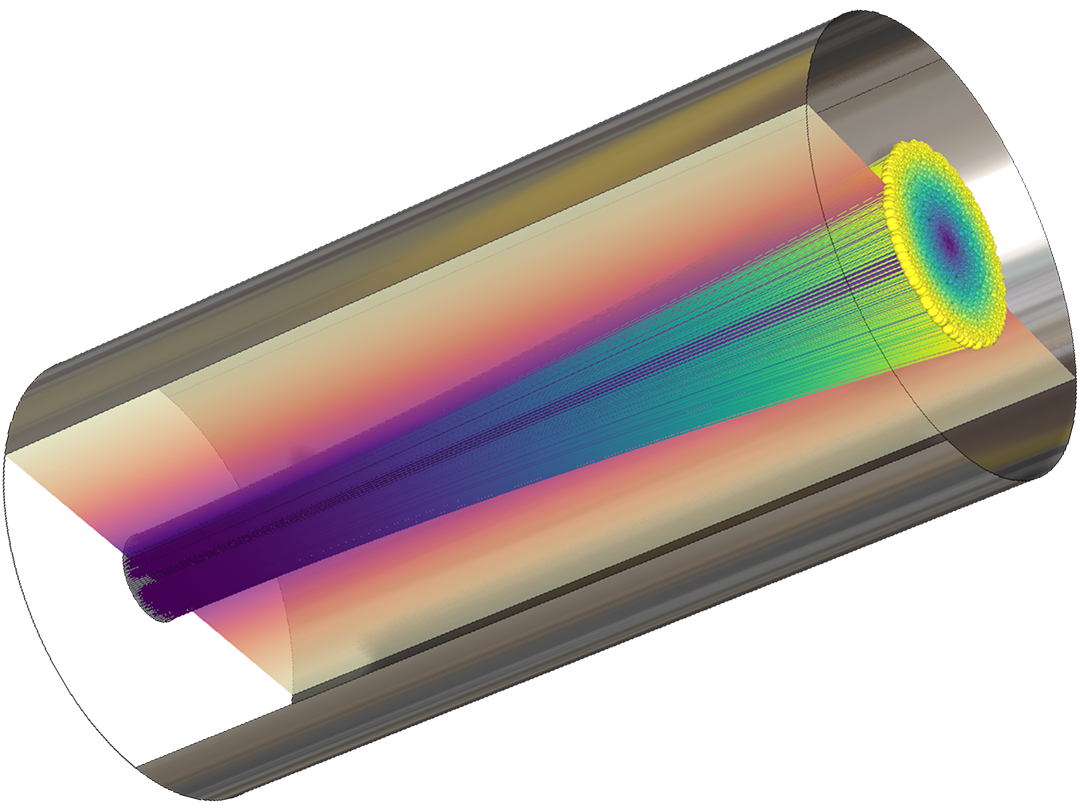
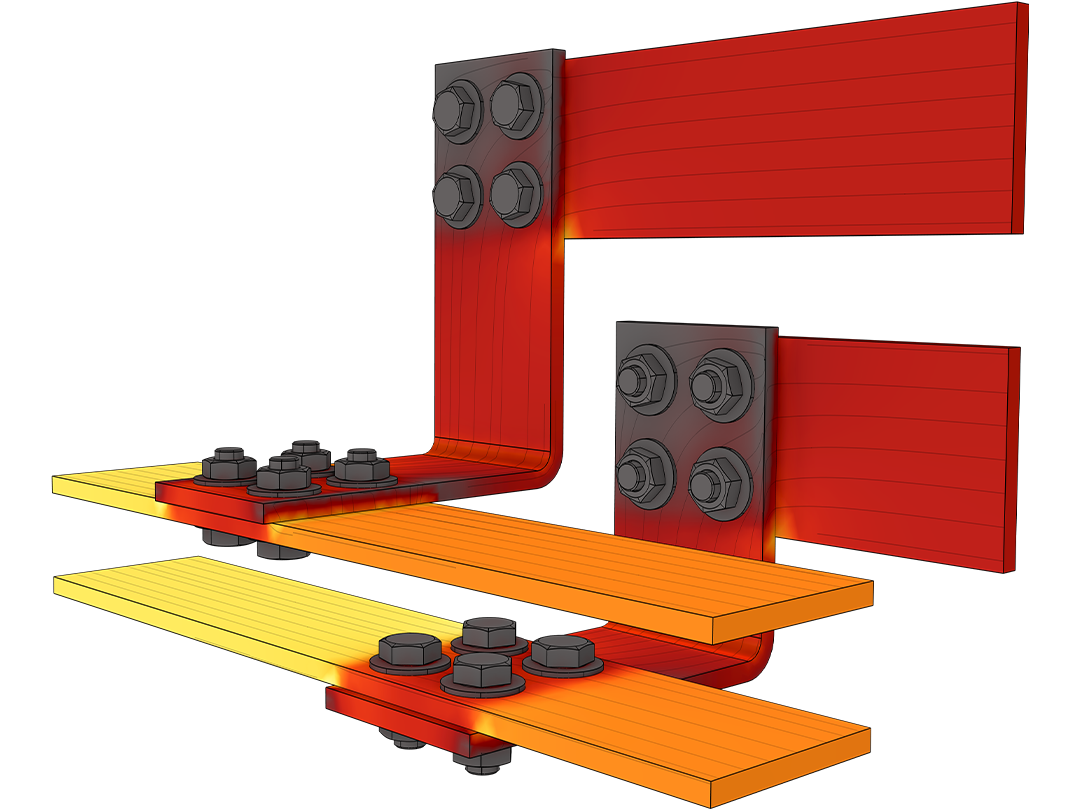
A close-up view of bolted busbars showing electrical contact points.

Resistenza di contatto elettrico

Correnti che scorrono tra pezzi metallici messi in contatto. Si combina con il contatto termico2 e meccanico3.

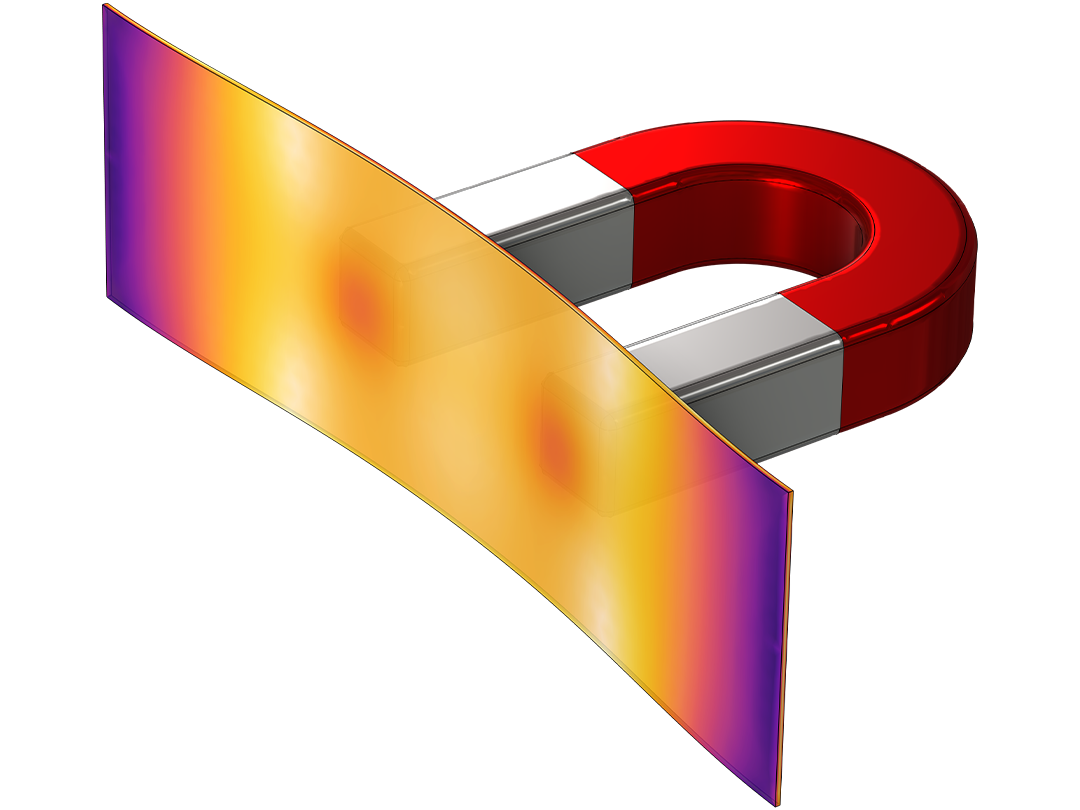
A close-up view of a permanent magnet model showing the deformation in an iron plate.

Forza e coppia elettromagnetica

Calcolo di sollecitazioni, forza e coppia elettromagnetica basato sugli elementi finiti e sugli elementi al contorno .

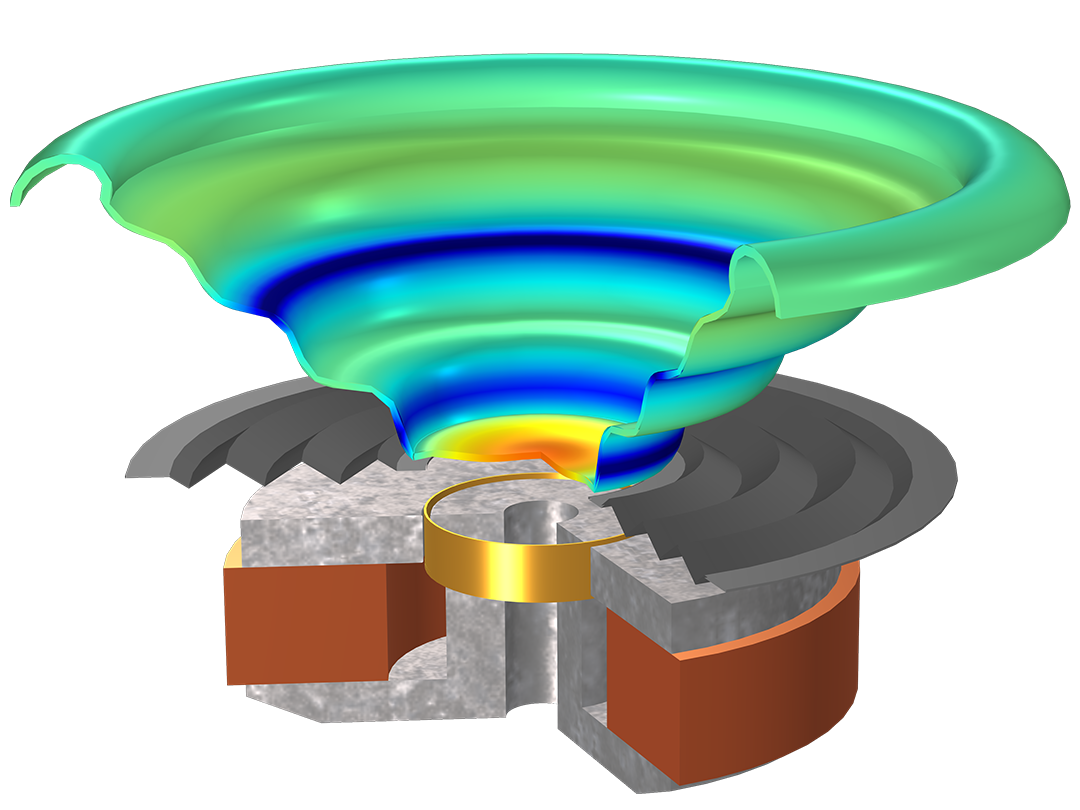
Visualizzazione dettagliata di un driver per altoparlante che mostra l'entità dello spostamento.

Forze di Lorentz

Forze di Lorentz indotte dalla corrente usate come carichi strutturali volumetrici per la modellazione di trasduttori elettroacustici e altro.

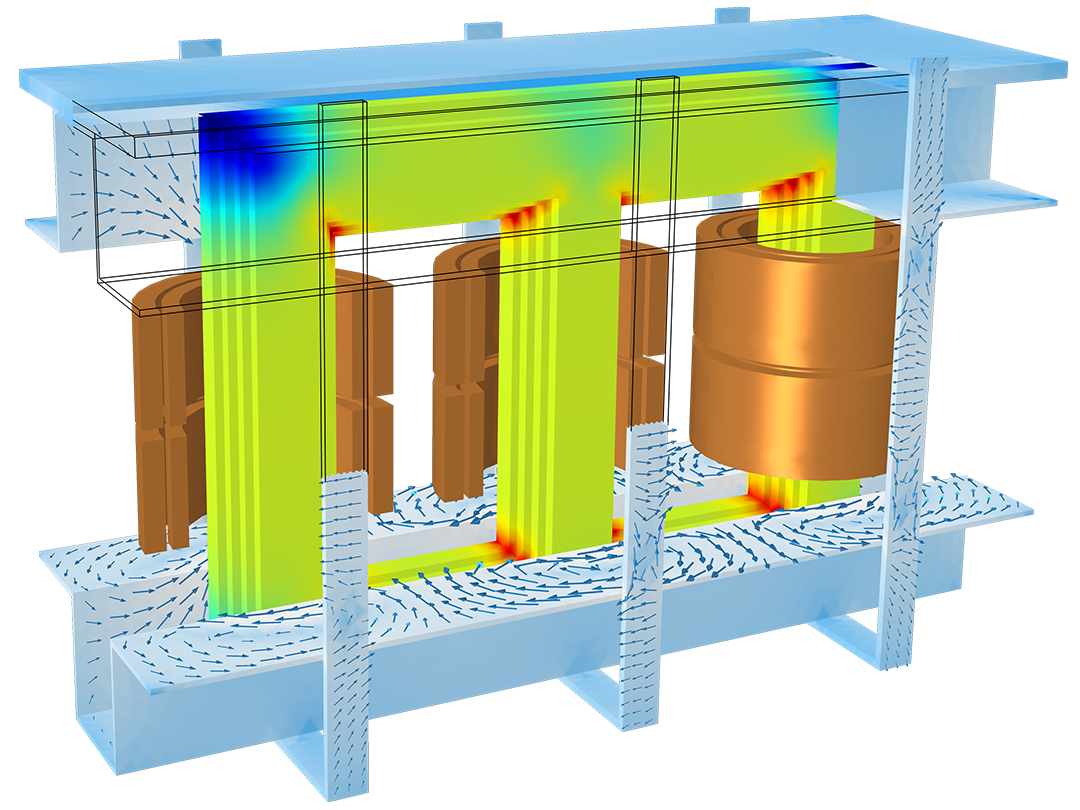
Trasformatore di potenza che mostra la distribuzione delle perdite.

Magnetostrizione4

Cambiamenti di forma dei materiali magnetici quando sono sottoposti a un campo magnetico; è importante per il rumore dei sonar e dei trasformatori.
A close-up view of a tonpilz transducer showing piezoceramic rings.
Piezoelectricity1

Model piezoelectric devices, including metallic and dielectric components.

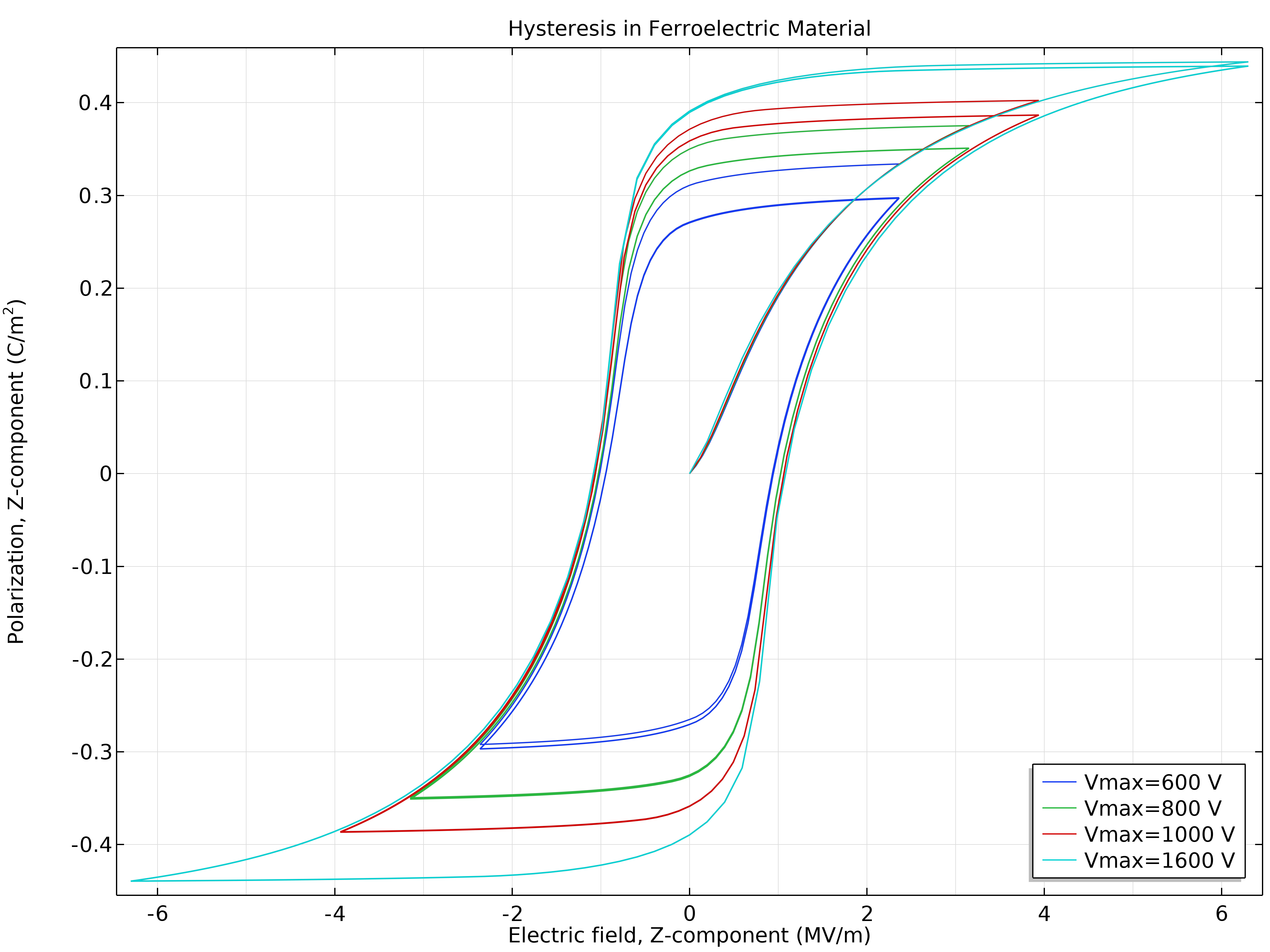
A 1D plot with electric field on the x-axis and polarization on the y-axis.

Ferroelettricità

La funzionalità della ferroelettricità è usata per modellare una polarizzazione variabile nel tempo che può avere un comportamento isteretico.

A close-up view of a magnetohydrodynamic pump showing the flow of electrically conducting fluids.

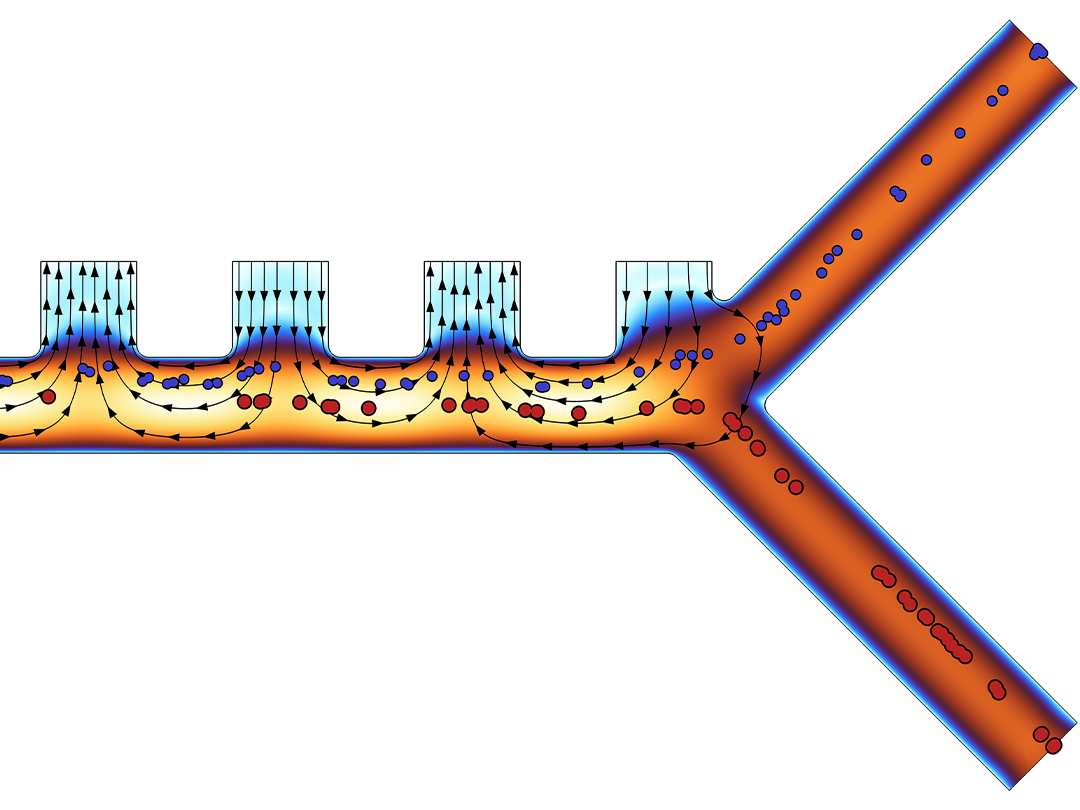
Magnetohydrodynamics

Model the interaction between electromagnetic fields and electrically conducting fluids.

A close-up view of an electrode-less lamp model with plasma acting as the secondary winding.

Plasma ad accoppiamento induttivo5

Plasmi accoppiati induttivamente utilizzati nella lavorazione dei semiconduttori.

A close-up view of an electron beam model diverging due to its own space charge.

Tracciamento di particelle cariche6

Movimento di particelle elettricamente cariche o magnetiche dovuto a forze elettromagnetiche.

Dielettroforesi6

Movimento di particelle neutre dovuto a gradienti del campo elettrico.

A close-up view of a loudspeaker core model with  optimized topology.

Optimization7

Combine electromagnetic analysis with parameter optimization, shape optimization, and topology optimization.

  1. Non richiede AC/DC Module
  2. Richiede inoltre Heat Transfer Module
  3. Richiede inoltre uno tra MEMS Module o Structural Mechanics Module
  4. Richiede inoltre uno tra Acoustics Module, MEMS Module o Structural Mechanics Module
  5. Richiede inoltre Plasma Module
  6. Richiede inoltre Particle Tracing Module

Utilizzo di software di terze parti con COMSOL Multiphysics®

Se si utilizza il software MATLAB®, è possibile gestire facilmente le simulazioni COMSOL Multiphysics® con gli script e le funzioni MATLAB®. Il prodotto di interfacciamento LiveLink™ for MATLAB® permette di accedere alle operazioni COMSOL® direttamente nell'ambiente MATLAB® e di integrarle con il vostro codice MATLAB® esistente.

Per facilitare l'analisi delle proprietà elettromagnetiche dei modelli CAD e dei layout elettronici, COMSOL offre i prodotti ECAD Import Module, CAD Import Module, Design Module e LiveLink™ per i principali sistemi CAD come parte della nostra suite di prodotti.

Potete anche sincronizzare i dati del foglio elettronico Microsoft Excel® con i parametri definiti nell'ambiente COMSOL Multiphysics® tramite il prodotto di interfacciamento LiveLink™ for Excel®.

Ogni esigenza di business e di simulazione è diversa. Per valutare se il software COMSOL Multiphysics® soddisfa o meno le vostre esigenze, non dovete fare altro che contattarci. Parlando con uno dei nostri tecnici commerciali, riceverete consigli personalizzati ed esempi completamente documentati per aiutarvi a ottenere il massimo dalla vostra valutazione e guidarvi a scegliere l'opzione di licenza migliore per soddisfare le vostre esigenze.

Basta cliccare sul pulsante "Contatta COMSOL", inserire i propri contatti ed eventuali commenti o domande specifiche, e inviare la richiesta. Riceverete una risposta entro un giorno lavorativo.

Il prossimo passo?

Richiedi una dimostrazione del software