
Blog Posts Tagged Physics of Sports
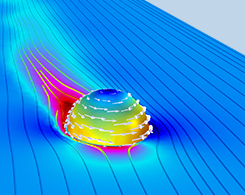
Does It Matter Which Ball the FIFA World Cup™ Teams Practiced With?
In an attempt to determine what type of soccer ball is best to prepare for the FIFA World Cup™, we set up a backyard experiment involving a leaf blower, level, and a few soccer balls.
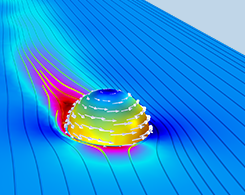
Terminal Velocity, Drag Coefficients, and FIFA World Cup™ Predictions
Is it possible to predict the winners of the FIFA World Cup™? We forgo consulting a psychic and instead analyze the terminal velocity and drag coefficients of different balls with CFD simulation.

Why Is Ice Slippery Enough for Skiing and Skating?
The original theory for why ice is slippery involves the concept of pressure melting. However, the true answer involves more research, debate, and thought.
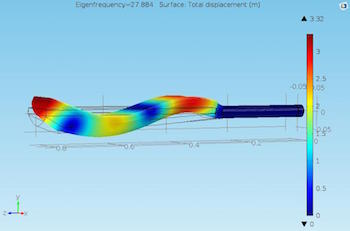
Identify a Cricket Bat’s Sweet Spots with Structural Mechanics Analysis
Research into the science behind cricket usually focuses on the performance of the batsmen and bowlers. One area of cricket that lacks in research is the cricket bat itself…
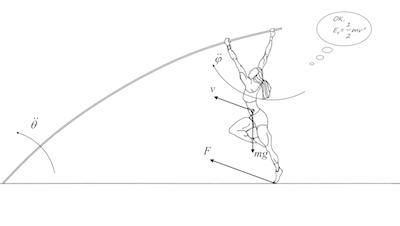
Reaching New Heights in Pole Vaulting: A Multibody Analysis
We perform a multibody dynamics analysis of the different phases of pole vaulting using COMSOL Multiphysics®.
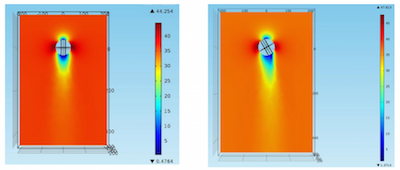
Simulating the Art of Swing Bowling in Cricket
The swing bowling move in cricket is as much an art form as it is an athletic feat. Researchers at the COMSOL Conference 2015 Boston simulated the fluid mechanics of conventional swing bowling.
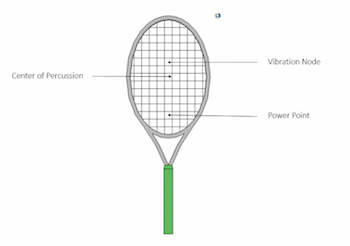
The Physics of Tennis Racket Sweet Spots
Whether you’re a tennis pro or new to the courts, you might enjoy this blog post examining the physics behind the “sweet spots” of a tennis racket.
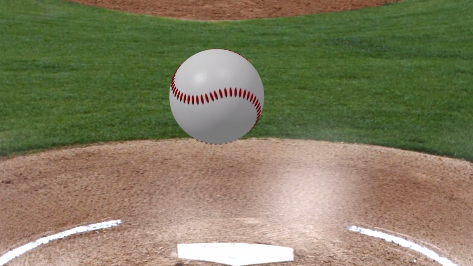
The Physics Behind Baseball Pitches
3 forces affect a baseball pitch after leaving a pitcher’s hand: gravity, drag, and the Magnus force. Gravity pulls the ball down, drag slows the ball, and the Magnus force depends on the pitch.


