
Equation-Based Modeling Blog Posts
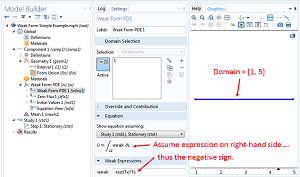
Implementing the Weak Form in COMSOL Multiphysics
In Part 2 of our series on the weak form equations, we demonstrate how to implement and solve these equations numerically using COMSOL Multiphysics®.
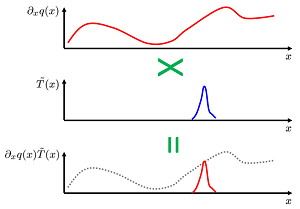
A Brief Introduction to the Weak Form
Whether or not you use finite element analysis and vector calculus in your daily life, you’ll appreciate this introduction to the weak form equations.
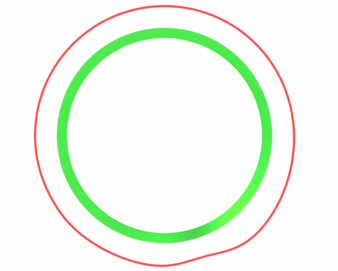
Understanding Traffic Congestion via Equation-Based Modeling
Boring, frustrating, extremely inconvenient: We’ve all experienced a traffic jam when trying to get from Point A to Point B. Researchers used equation-based modeling to study traffic congestion.

Understanding Stabilization Methods
When modeling transport applications driven by convection, you need a stabilization method — whether you’re working with finite elements, finite volumes, or finite differences.
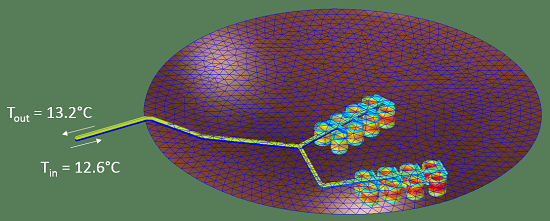
How to Integrate Functions Without Knowing the Limits of the Integral
Did you know that the COMSOL® software can solve integrals as well as partial differential equations? Learn how to integrate functions — even without knowing the limits of the integral.

The Strength of the Weak Form
Learn about the origins of the weak form equations, how to derive them from classic equations, how to express them in the COMSOL Multiphysics® syntax, and more >>
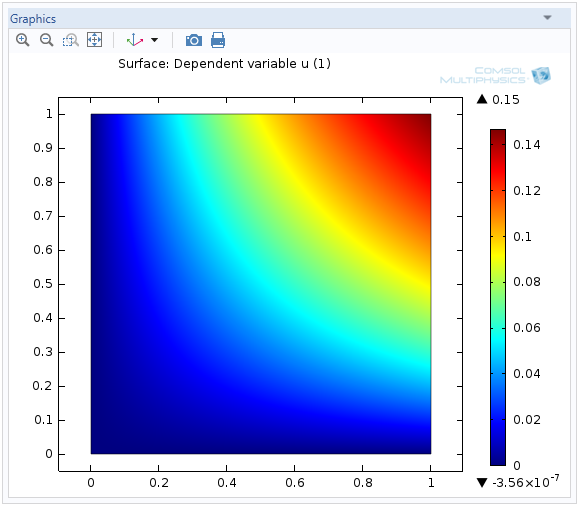
Solving Algebraic Field Equations
COMSOL Multiphysics® is commonly used to solve PDEs, ODEs, and initial value problems. However, did you know that you can also solve algebraic and even transcendental equations?
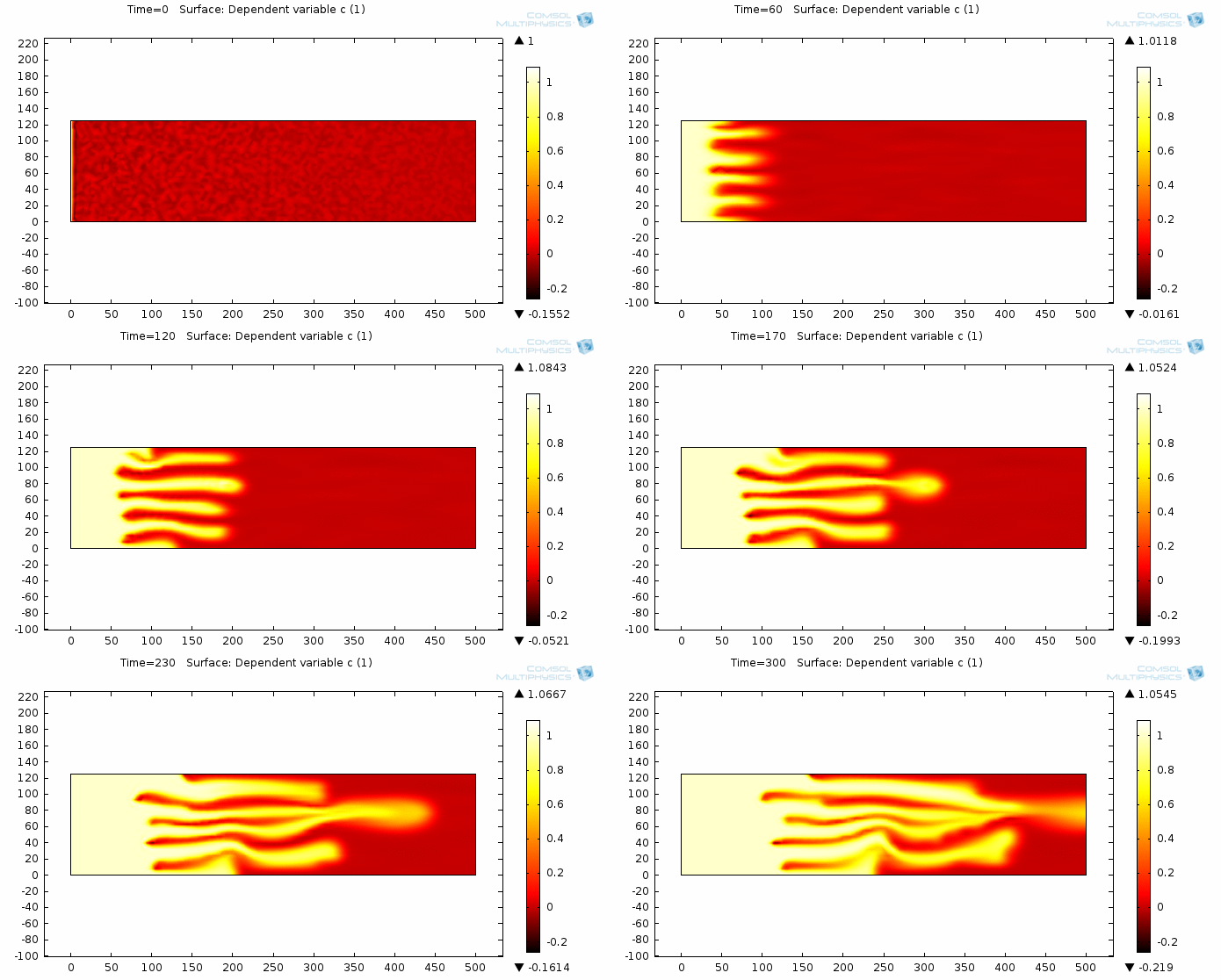
Simulating Viscous Fingering Using Equation-Based Modeling
A prospective user of COMSOL approached me about modeling viscous fingering, which is an effect seen in porous media flow. He hadn’t found a satisfying solution elsewhere, so he turned to COMSOL. I’d like to share with you some of my insight on how to go from idea to model to simulation by taking a “do-it-yourself approach” and utilizing the equation-based modeling capabilities of COMSOL Multiphysics.


