
Daniel Höche, HZG, Germany; Nils Bösch, Daimler AG, Germany
Galvanic corrosion, which occurs when the surfaces of different adjoining metals begin to degrade, costs the automotive industry billions of dollars annually. The reactions of these different metal combinations is influenced by material properties, surface roughness, and joining techniques in the components.
Researchers at Helmholtz-Zeentrum Geesthacht (HZG) and Daimler AG created COMSOL Multiphysics applications to study corrosion in automotive parts found in car paneling. Simulation helped researchers investigate electrochemical reactions on the surface of the rivet, analyze decay in sheet metal, and understand the effects of geometry on the corrosion process. They also modeled delamination of the steel sheet and assessed the growth of a crevice between the metal layers and a cathodic coating as the zinc plating was consumed. With the understanding they gained of the electrochemical behavior, they were able to provide engineers at HZG and Daimler AG with key information to improve corrosion protection in automotive parts.
Suggested Stories
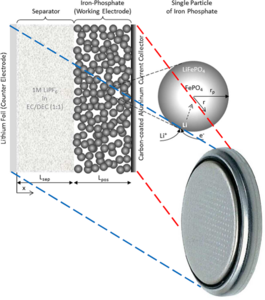
Highly Accurate Li-ion Battery Simulation
Battery management systems (BMSs) are designed to protect the batteries and predict their charge level. They use ...
Helping the World Listen with Hearing Aid Technology
In this Q&A, Michele Colloca of Sonion discusses the main challenges in designing hearing aids and how modeling ...
Multiphysics Software Models Mean Flow-Augmented Acoustics in Rocket Systems
Historically, difficulties in modeling and predicting combustion instability have led engineers to costly physical ...
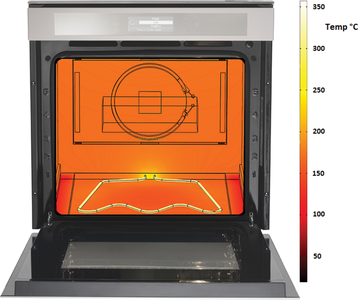
Simulation Turns Up the Heat and Energy Efficiency at Whirlpool Corporation
Engineers working on a joint research project between Whirlpool Corporation and the European initiative GREENKITCHEN ...


