
Express Delivery: Simulation App Speeds Up Electric Truck Battery Design
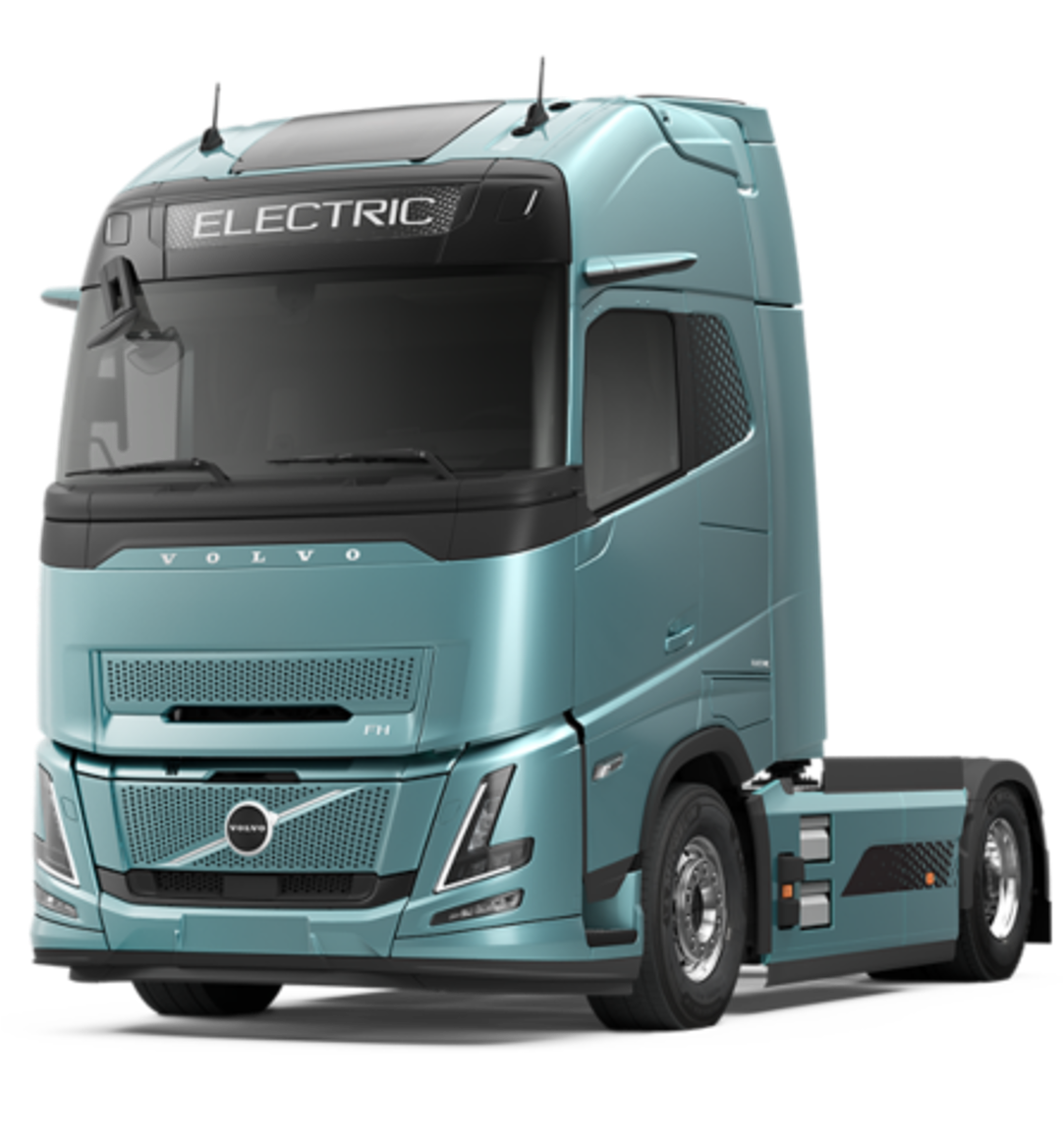
Using a laser-welding simulation app, Volvo Trucks has accelerated the design of long-lasting, high-performance batteries that can power its electric trucks. The app was developed with academic and industry partners, including the engineering consultancy company Resolvent.
Brianne Costa
February 2026
These days, no one blinks an eye at 2-day, 1-day, and even same-day package deliveries. Despite the plethora of localized fulfillment and distribution centers that have cropped up to meet the demand, delivery trucks still need to make considerably long drives, often over highways. To reduce fuel and maintenance costs as well as carbon emissions, companies are investing in electric trucks for their delivery fleets. While turning to electric trucks is a promising solution, the battery packs incorporated into these automotive designs often fall short in the lifetime needed to make long-distance highway travel feasible.
To help overcome the issue of battery lifetime, a consortium of universities and industry partners incorporated multiscale simulation and a custom simulation app into the battery manufacturing process. The organizations involved in this project were Aurobay, Resolvent, the European Commission, the Technical University of Denmark (DTU), Vinnova (the Swedish Agency for Innovation Systems), Innovation Fund Denmark, and Volvo Group Trucks Operations.
The simulation app, built by Resolvent, a Denmark-based engineering consultancy that specializes in green energy, enables the R&D department at Volvo to easily test battery lifetime performance.
LaserWho?
The Multiscale Simulation of Laser Welding for Optimal Battery Pack Manufacturing project — referred to as "LaserBATMAN" — was initiated in May 2022 and wrapped up in May 2025 (Ref. 1). Although BATMAN here refers to battery manufacturing and not the famous masked superhero, the goals for the project also strove for greatness.
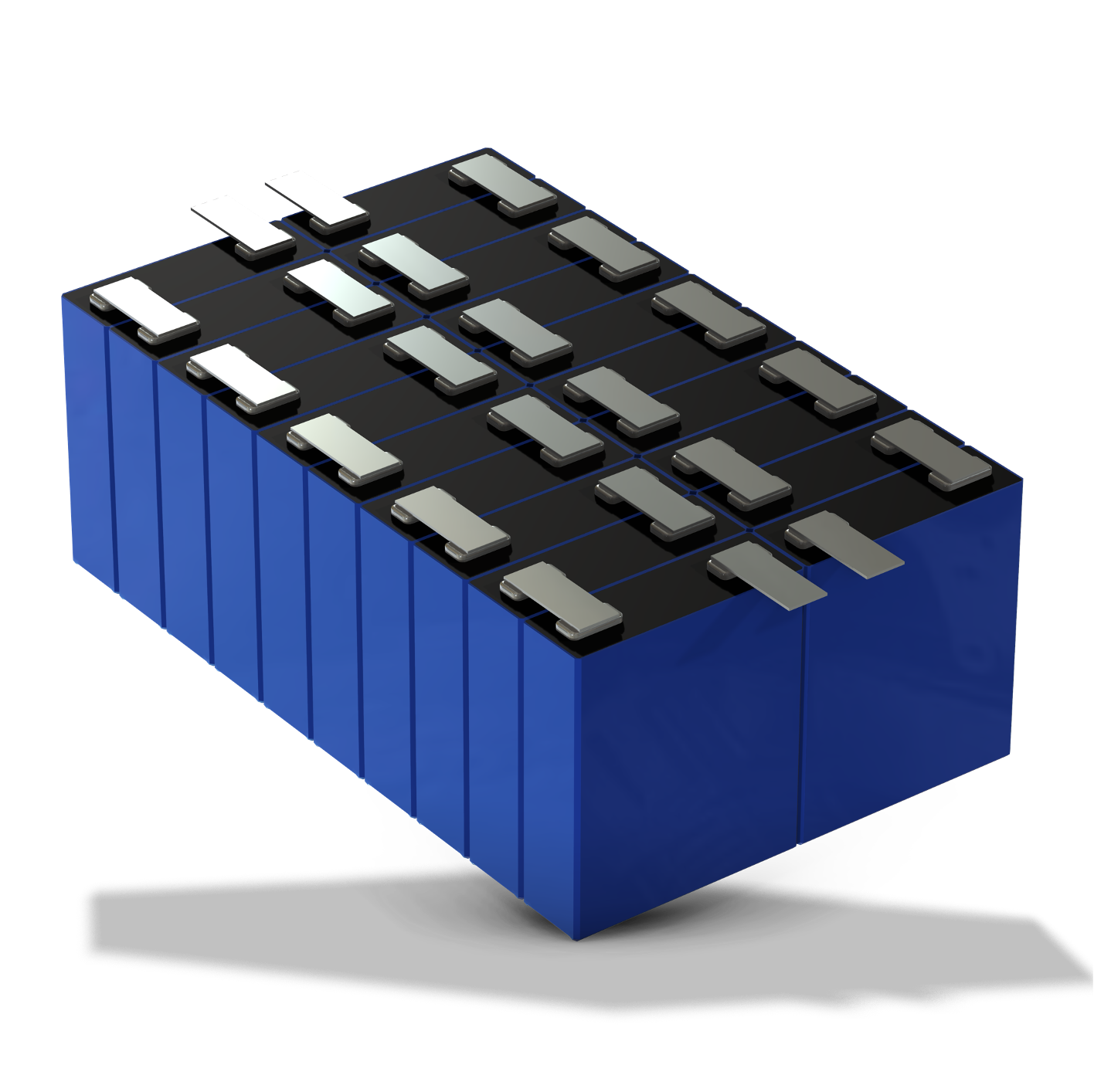
The LaserBATMAN project aimed to optimize two key performance metrics for battery packs: robustness and lifetime (Ref. 1). One element of the battery manufacturing process that affects both of these metrics is the laser welding used in component joining processes (for example, to connect battery cells in a pack via a busbar). If done correctly, laser welding can positively impact battery life, but if done incorrectly, laser welding can increase the risk of battery degradation. Computational modeling can be used to analyze and predict the effects of welding and joining processes at different stages of the manufacturing process.
Martin Refslund Nielsen, former chief commercial officer and partner at Resolvent, explained that for this type of multiphysics and multiscale problem, “COMSOL Multiphysics is just the right tool.”
R&D Workflow for Multiscale Model and App
The Resolvent team used the COMSOL Multiphysics® software to study how laser welding affects the electrochemistry and degradation of battery cells. At least, that’s how the project started.
“Ambitions grew,” Nielsen said, explaining that the team ended up modeling the performance of the entire battery, from cell to pack level, and even “turned [the model] into a design tool in the end”, in reference to the app.
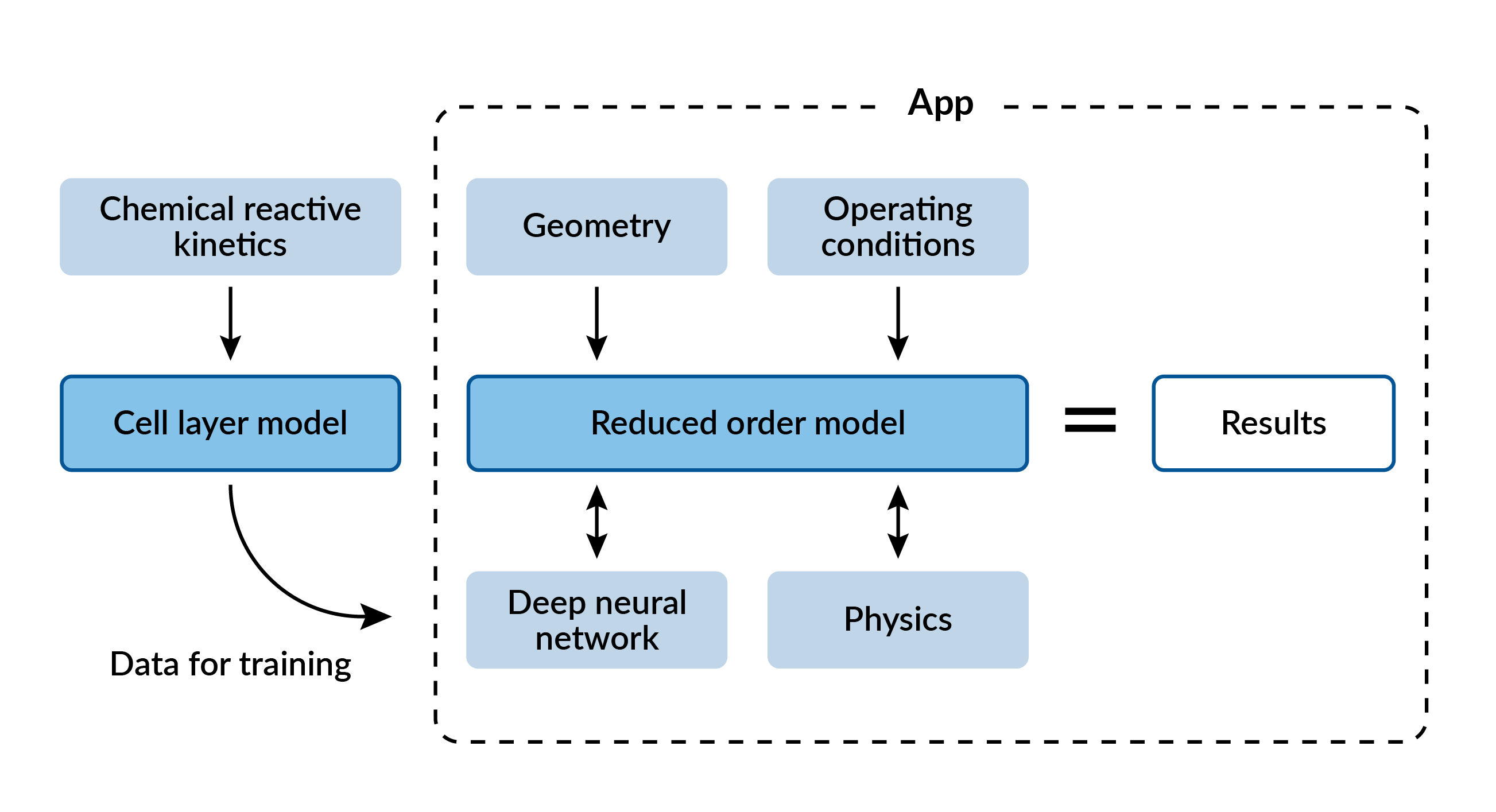
First, the team built an electrochemical model of a battery cell by inputting the formulas for the relevant chemical reaction kinetics (Figure 2). The resulting 1D detailed electrochemical model of the cell was then fed input data, and the output data was used to train a deep neural network (DNN). With this surrogate model, the team was able to quickly gain insight into cell behavior.
After training the DNN of the battery model, the team built a custom simulation app to efficiently optimize busbar tabs in the configuration of a battery pack.
A “Tool Within a Tool” for Busbar Weld Design
The different features of the simulation app, as described by Nielsen, include its options to input dimensions for the pack geometry (Figure 3), the number of cells, and operating conditions such as ambient temperature and charge–discharge current profiles. The app also makes it possible to apply a simple charging current and load customized cycles. Users are then able to see how the battery performs with each set of specific inputs.
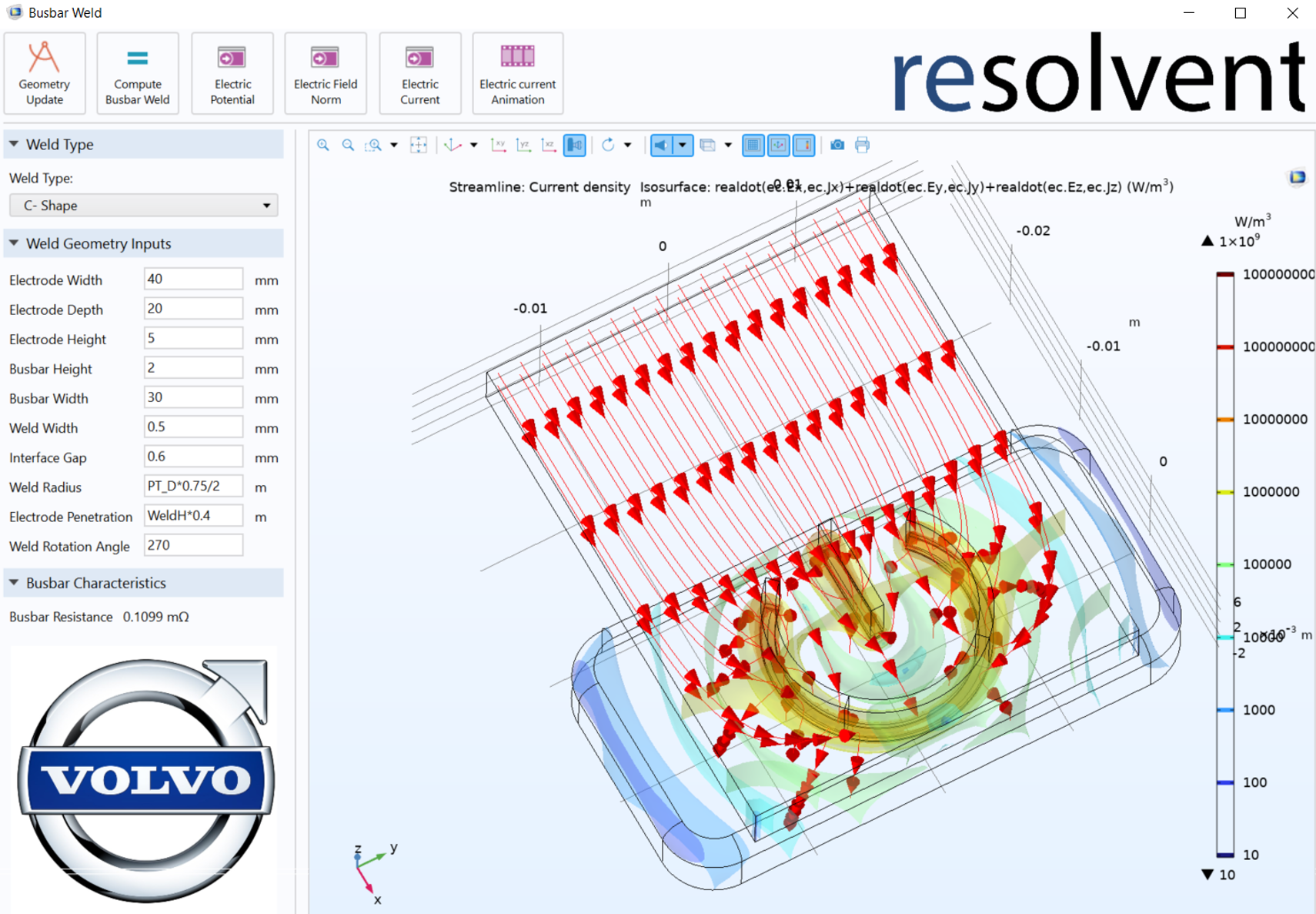
Another important aspect of Resolvent’s app is the Busbar Weld Design Tool button, which Nielsen described as “a tool within a tool.” This button can be used to efficiently calculate busbar weld performance after a number of cycles. After clicking the button, a window opens with options for setting different parameters, including the shape of the weld, busbar thickness, and penetration depth of the laser (Figure 4).
"[This button] is interesting from a robust design perspective,” said Nielsen. Users can apply a variant to the input parameters to see what happens in production if the weld does not reach far enough into the busbar.
“We certainly get deep technical insight here, and we can dimension the design in the sweet spot. Deep technical insight is also key to optimizing product performance,” Nielsen said. For example, if the results suggest better cooling, the team could potentially reduce the design by two battery cells and retain the same performance, easily quantifying the tradeoff between cooling and setup.
Predicting Pack Performance
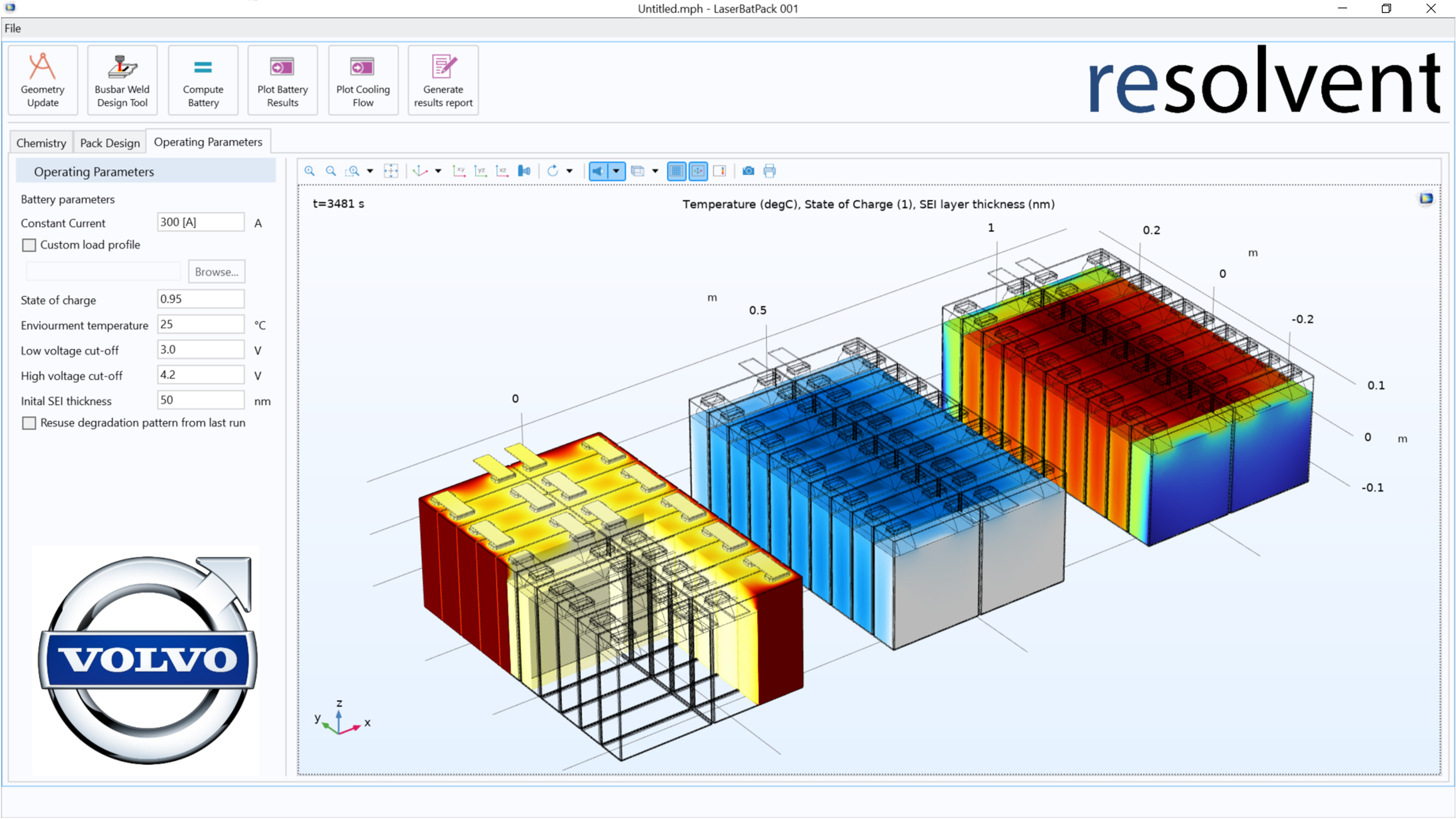
The app's user interface also includes a Compute Battery button, which can be used to see the temperature of the weld in a given state, the state of charge, and the solid–electrolyte interface (SEI) layer thickness (Figure 5). The results can help the engineering team further determine if there is room for optimization in the design. For instance, a user can apply a cooling flow in the app and see if turbulence or standing air occurs.
As explained by Nielsen, simulation apps offer more consistent analysis and reporting, and the intuitiveness of custom apps makes it easier to share knowledge. “We are in a much better place to optimize performance and increase robustness," said Nielsen.
The custom simulation app developed by the LaserBATMAN consortium can be used to help produce more robust battery designs with ranges that can support highway travel over longer distances with fewer failures — all while promoting the use of green energy. A heroic project indeed.
References
- “LaserBATMAN,” University of Skovde, accessed 08/21/2025, https://www.his.se/en/research/virtual-engineering/virtual-manufacturing-processes/LaserBatman/.
- R. Nielsen, “Keynote: Optimizing Lifetime and Robustness of Electric Truck Batteries with Simulation Apps,” COMSOL Conference 2024 Florence, October 2024.
Volvo is a registered trademark of Volvo Trademark Holding AB.


